2026 Best Energy Battery Types for Global Buyers?

Choosing the best energy battery in 2026 will depend on application, climate, budget, and expected service life. Global buyers need more than a high capacity number. They must examine safety records, charging performance, warranty terms, and supplier transparency. A battery installed in a desert warehouse faces different demands from one powering a cold-climate electric vehicle.

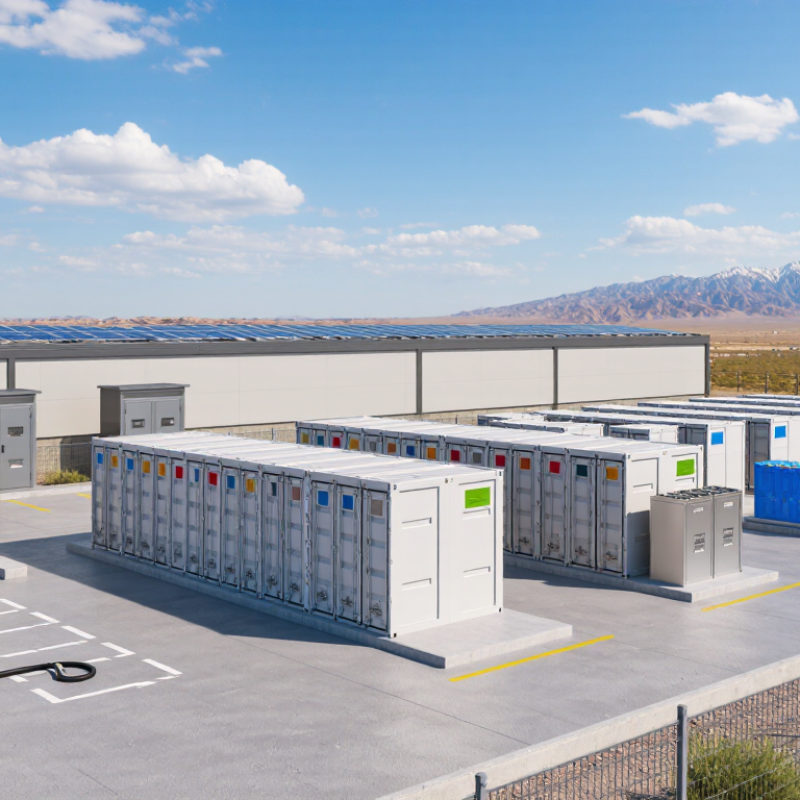
Lithium iron phosphate, or LFP, remains attractive for stationary storage because of its thermal stability and long cycle potential. Nickel manganese cobalt, or NMC, can offer higher energy density where weight and space matter. Sodium-ion batteries may interest buyers seeking lower-cost materials and improved cold-weather performance. Solid-state designs are promising, but commercial availability, pricing, and field data still require careful review. The “best” option is not universal.

Details matter. Ask for independent test results, battery management system specifications, degradation data, and recycling arrangements. Check whether stated capacity applies to laboratory conditions or daily operation. A 10-kilowatt-hour pack may deliver less usable energy after reserve limits and conversion losses. Small print matters.

Procurement teams should compare total ownership cost, not only the purchase price. Installation quality also influences safety and lifespan. An experienced integrator can identify ventilation, fire protection, grid compatibility, and maintenance needs before delivery. However, even reputable suppliers can present incomplete forecasts. Buyers should challenge optimistic cycle-life claims and request references from comparable projects. This guide evaluates leading battery types through practical performance, technical evidence, and real-world purchasing risks. Some conclusions may change as testing improves. That uncertainty deserves attention.
2026 Best Energy Battery Types for Global Buyers?

What Defines an Energy Battery and How It Works

An energy battery is a rechargeable system that stores electricity and releases it when demand rises. It uses electrochemical reactions to move ions between electrodes. During charging, electrical energy becomes chemical energy. During discharge, that chemical energy returns as usable power.

Capacity describes stored energy, measured in kilowatt-hours or megawatt-hours. Power describes delivery speed, measured in kilowatts or megawatts.

A 10 MWh battery may deliver 5 MW for two hours. This distinction matters.

Nameplate capacity is not always usable energy. Thermal controls, reserve limits, and conversion losses reduce actual output.

The International Energy Agency reported that global battery storage additions reached about 42 GW in 2023, rising roughly 130% year on year.

Lazard’s Levelized Cost of Storage analysis commonly places utility-scale lithium-ion round-trip efficiency near 85%–95%, depending on system design.

Lithium iron phosphate cells suit frequent cycling and thermal stability. Flow batteries can support longer discharge periods, while sodium-ion systems may reduce dependence on certain minerals. Lead-acid remains practical for some backup applications, but its cycle life is usually shorter.

Real performance depends on temperature, charging habits, installation quality, and software controls. Cold mornings expose weak thermal planning. That part is often underestimated. Buyers should compare usable capacity, cycle life, degradation, safety testing, and warranty assumptions rather than chemistry alone. Industry reports provide useful benchmarks, but site data should decide the final specification.

How Major Battery Chemistries Compare in 2026

2026 Best Energy Battery Types for Global Buyers?

Battery selection in 2026 depends on application, climate, budget, and service expectations. Lithium iron phosphate offers strong thermal stability, long cycle life, and predictable costs. It suits stationary storage, commercial vehicles, and daily solar systems. Its lower energy density can increase cabinet size and shipping weight.

Nickel-rich lithium batteries store more energy in less space. They remain useful for long-range mobility and weight-sensitive equipment. However, they demand careful thermal management, quality control, and battery monitoring. In field evaluations, installation quality often affects performance more than the advertised chemistry. It is not simple.

Sodium-ion batteries are gaining attention because they reduce dependence on certain scarce materials. They may serve cost-sensitive storage and moderate-range transport, although their energy density is generally lower. Cold-weather performance is improving, but buyers should request verified test data rather than rely on laboratory claims. Solid-state designs could improve safety and energy density, yet large-scale availability, manufacturing consistency, and certification remain uncertain. Traditional lead-acid batteries still provide low upfront costs and established recycling routes. Their heavier weight, shorter cycle life, and deeper-discharge limits can raise lifetime expenses. Small details matter. Compare usable capacity, warranty conditions, temperature ratings, fire protection, maintenance access, and local recycling infrastructure before selecting a chemistry. A cheaper battery may become expensive after repeated replacement.

Which Battery Types Fit Different Global Energy Needs

2026 Best Energy Battery Types for Global Buyers

Which Battery Types Fit Different Global Energy Needs?

Battery selection should begin with the site, not the sales brochure. Lithium iron phosphate suits homes, commercial storage, and solar systems needing long cycle life and strong thermal stability. It performs well under frequent daily charging. However, cold climates can reduce charging performance without heating controls.

Nickel-rich lithium batteries provide high energy density where space and weight matter. They may fit mobile power systems or compact backup units. Their higher energy density demands careful thermal design, monitoring, and installation. Safety margins matter more than a smaller cabinet.

Lead-acid batteries remain practical for low-cost backup, simple telecom sites, and occasional use. They are heavier and usually need more maintenance. Sodium-ion batteries may become useful in colder regions and price-sensitive projects, though supply maturity and field data still vary. Flow batteries suit large stationary installations requiring long discharge periods and frequent cycling. They need more space, but their operating model can be easier to scale.

A responsible buyer should compare usable capacity, round-trip efficiency, cycle warranty, temperature range, fire protection, and local service access. Ask for independent test records. Do not trust peak specifications alone. A battery rated for ten hours may deliver less during heat, dust, or unstable grid conditions. Project teams should also check recycling routes and import requirements before purchase. The best choice may be less advanced, but easier to maintain locally. That is often overlooked.

How Cost, Safety, Lifespan, and Sustainability Affect Selection

2026 Best Energy Battery Types for Global Buyers?

Battery selection now depends on more than the lowest quoted price. BloombergNEF reported an average lithium-ion pack price of $115 per kWh in 2024. LFP packs were generally cheaper than nickel-based alternatives. That advantage matters for grid storage, buses, and daily backup systems. However, energy density still affects shipping space and installation footprints. A cheaper pack can become expensive after cooling, fire protection, and replacement costs. Look beyond the invoice.

Safety requires evidence at the system level. LFP chemistry usually offers stronger thermal stability than nickel-rich chemistry, but no battery is risk-free. Buyers should request independent abuse testing, thermal propagation results, and clear operating limits. UL 9540A testing can show how a storage system behaves during thermal runaway. It does not remove every site hazard. Poor ventilation remains dangerous.

Lifespan and sustainability also shape the real cost. The International Energy Agency reported that LFP batteries represented nearly 40% of the electric-car battery market in 2023. Their lower dependence on nickel and cobalt can reduce mineral exposure. Still, they may require more material per stored kilowatt-hour. The IEA’s Global Critical Minerals Outlook 2024 highlights recycling as an important future supply source. Recycling capacity remains uneven across regions. Buyers should compare warranty cycles, usable capacity, temperature performance, and end-of-life plans. Perfect choices do not exist. The best chemistry depends on duty cycles, climate, safety controls, and local recovery infrastructure.

What Global Buyers Should Check Before Choosing a Battery

2026 Best Energy Battery Types for Global Buyers?

The best battery depends on the application, not the newest chemistry. Lithium iron phosphate suits many stationary systems because it offers stable operation, long cycle life, and reduced thermal risk. Nickel-based lithium batteries can provide higher energy density for limited space. Lead-acid remains practical for smaller budgets, although its weight and shorter service life may increase total costs. Sodium-ion batteries are developing quickly, but buyers should verify real-world data rather than rely on projections.

What Global Buyers Should Check Before Choosing a Battery

Start with the duty profile. Record daily energy use, peak loads, backup hours, and expected cycling frequency. A battery that looks affordable may fail when exposed to frequent deep discharge. Check usable capacity, not only the advertised capacity. Ask for test conditions, cycle-life definitions, temperature limits, and efficiency figures.

Safety documentation matters across borders. Review the battery management system, enclosure rating, cell balancing, and protection against overcharge and overheating. Request independent test reports and transport documents that match the actual product. Local grid rules, import requirements, recycling obligations, and installer qualifications also need confirmation. These details are often missed.

Test before scaling.

A sample should operate under realistic heat, humidity, and load changes. Compare warranty terms carefully, including capacity retention, response time, and excluded conditions. Supplier history is useful, but it is not proof of future performance. Factory audits and traceable records provide stronger evidence. No choice is perfect. A spreadsheet may hide installation problems, service delays, or poor training. Leave room for those risks when calculating the real cost.

2026 Best Energy Battery Types for Global Buyers? — What Global Buyers Should Check Before Choosing a Battery

The comparison below uses typical commercial ranges rather than brand-specific data. Actual results depend on cell design, pack integration, operating temperature, charge and discharge rate, depth of discharge, installation standards, and the battery-management system.

Battery Type Typical Cell-Level Energy Density Typical Cycle Life Round-Trip Efficiency Relative Thermal Safety Typical Operating Characteristics Best-Fit Applications Main Buyer Advantages Key Buyer Limitations Market Readiness
Lithium Iron Phosphate (LFP) Approximately 90–180 Wh/kg Approximately 2,000–7,000 cycles at about 80% depth of discharge Approximately 90–95% High relative thermal stability; lower oxygen release risk than nickel-rich lithium-ion chemistries Good calendar life and frequent-cycling performance. Charging below 0°C generally requires temperature control or a suitable charging strategy. Stationary energy storage, solar-plus-storage, commercial backup, electric buses, and entry-level electric vehicles Balanced choice
Strong safety-to-cost balance, long service life, and reduced dependence on nickel and cobalt
Lower energy density than nickel-rich lithium-ion cells; heavier or larger system for the same stored energy Mature
Nickel Manganese Cobalt (NMC) Approximately 150–280 Wh/kg Approximately 1,000–2,500 cycles at about 80% depth of discharge Approximately 90–95% Medium; requires robust battery management, thermal monitoring, and properly designed protection systems High energy density with good power capability. Performance and safety vary substantially with nickel content and cell design. Passenger electric vehicles, plug-in hybrids, portable equipment, and space-constrained systems High energy density and a well-established global supply chain Higher material cost exposure and generally more demanding thermal-management requirements than LFP Mature
Nickel Cobalt Aluminum (NCA) Approximately 180–280 Wh/kg Approximately 1,000–2,000 cycles at about 80% depth of discharge Approximately 90–95% Medium to demanding; requires careful thermal control and battery-management-system design Designed for high energy density and power. Usable life is strongly influenced by temperature, charging limits, and operating profile. Long-range electric vehicles and applications where weight and volume are critical Very high gravimetric energy density More sensitive to abuse, heat, and aggressive charging than more safety-oriented chemistries; usually higher system-design requirements Mature
Lithium Titanate (LTO) Approximately 50–110 Wh/kg Approximately 10,000–30,000 cycles, depending on operating conditions Approximately 90–95% High relative thermal stability and strong tolerance for high-rate operation Very fast charging and excellent low-temperature capability compared with many conventional lithium-ion cells; low energy density increases system size. High-power buses, rapid-charging transport, grid services, industrial equipment, and applications requiring very long cycle life Exceptional power capability, long cycle life, and strong low-temperature performance High cost per stored kWh and large physical footprint for a given energy capacity Specialized but mature
Sodium-Ion Approximately 90–160 Wh/kg Approximately 2,000–5,000 cycles, depending on cell design and operating profile Approximately 85–92% Generally favorable, but safety depends on the complete cell and pack design Uses more widely available sodium-based materials and can offer useful low-temperature performance. Energy density is generally below that of mainstream lithium-ion systems. Stationary storage, short-range mobility, low-cost vehicles, and systems prioritizing material availability Potentially lower exposure to lithium, nickel, and cobalt supply constraints; attractive for cost-sensitive applications Less field history, lower energy density, and a less standardized global supply and service ecosystem Emerging
Lead-Acid Approximately 30–50 Wh/kg Approximately 300–1,200 cycles, depending on design and depth of discharge Approximately 75–85% Low fire risk compared with many lithium-ion systems, but hydrogen generation, acid exposure, and ventilation must be managed Proven technology with strong recycling infrastructure. Deep discharge and high ambient temperatures can reduce service life. Standby power, uninterruptible power supplies, low-cost backup, telecommunications, and starting applications Low initial cost, mature maintenance practices, and broad recyclability Heavy, bulky, lower efficiency, shorter cycle life, and reduced usable capacity at high discharge rates Mature
Vanadium Redox Flow Approximately 10–40 Wh/kg at system level Typically 10,000–20,000+ cycles with low capacity degradation Approximately 65–85% High relative safety; aqueous electrolyte is generally non-flammable, although pumps, piping, and electrical systems still require protection Energy capacity and power output can be sized independently. Best suited to long-duration stationary operation rather than mobile applications. Grid-scale storage, renewable-energy shifting, microgrids, and multi-hour backup Long service life, deep-discharge capability, and low degradation during frequent cycling Low energy density, higher balance-of-system complexity, and greater space and installation requirements Commercial specialty
Global buyer checklist: compare total cost of ownership rather than purchase price alone; verify usable rather than nameplate capacity; request cycle-life conditions and warranty limits; check certifications for the destination market; confirm ambient-temperature performance; evaluate shipping classification and recycling obligations; and review local maintenance, spare-parts, fire-protection, and end-of-life arrangements.
Data ranges are representative industry values compiled from widely reported technical literature and public guidance from energy-storage research institutions and international energy agencies. They are intended for preliminary comparison, not as a substitute for a project-specific technical specification.