2026 Best Generator Engine Spare Parts Suppliers?
Choosing the best Generator Engine Spare Parts supplier in 2026 requires more than comparing prices. A low-cost gasket, bearing, or fuel injector may look attractive online. However, poor metallurgy, unclear origin, or incorrect tolerances can damage an entire engine.
This guide examines suppliers through practical maintenance experience, technical documentation, product traceability, and after-sales support. We consider OEM parts, certified aftermarket alternatives, delivery capability, warranty terms, and compatibility with Cummins, Caterpillar, Perkins, Volvo Penta, and other major engines. Details matter. A bearing shell should match the crankshaft specification. A turbocharger should suit the engine’s rated load. Seals must also tolerate heat, pressure, and modern fuel conditions.
Jim Fitch, a respected lubrication and reliability specialist, puts the maintenance principle plainly: “Contamination is the enemy of reliability.” His warning applies directly to Generator Engine Spare Parts. Clean packaging, sealed storage, and correct installation can matter as much as the supplier’s brand name.
The 2026 market is changing quickly. Digital catalogs improve accuracy, but database errors still occur. Some suppliers advertise “genuine quality” without providing clear certification. That should raise questions. Our review therefore looks for verifiable part numbers, inspection records, technical assistance, and real customer evidence.
No supplier is perfect. Delivery delays happen. Product ranges can also be uneven. This comparison may not answer every regional need, but it can help buyers make safer, more informed decisions before an engine failure becomes an expensive outage.
What Are Generator Engine Spare Parts Suppliers?
2026 Best Generator Engine Spare Parts Suppliers?
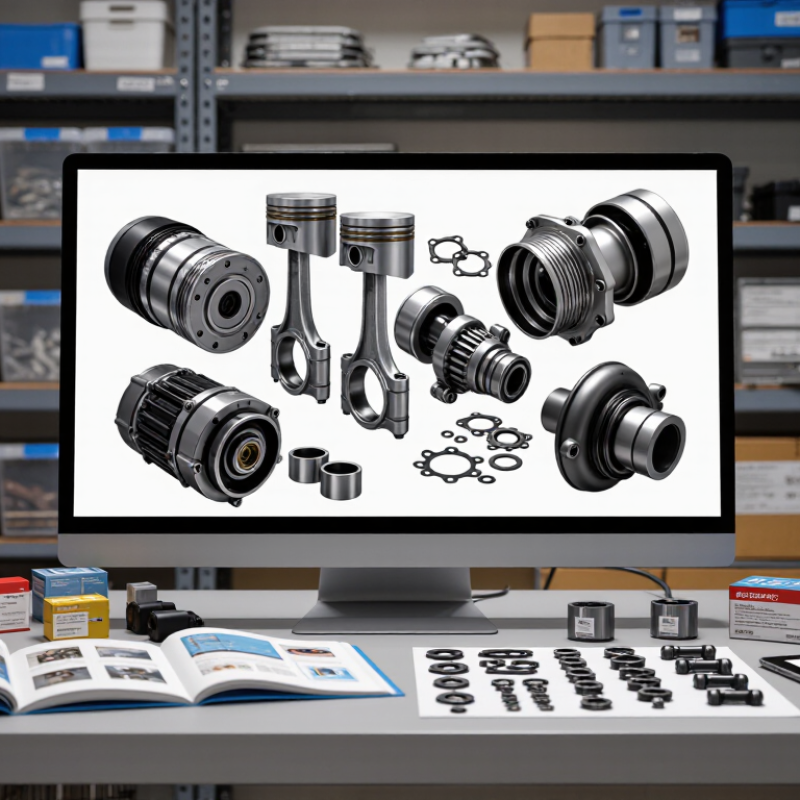
Generator engine spare parts suppliers are specialized companies that provide replacement components for diesel, gas, and dual-fuel engines. Their products may include oil filters, fuel injectors, piston rings, gaskets, bearings, sensors, turbochargers, and cooling-system parts. A reliable supplier does more than ship a box. It should verify part compatibility, maintain batch traceability, and provide clear installation and inspection documents.
Demand is becoming more technical. The International Energy Agency’s Electricity 2024 report projected global electricity demand would grow by about 4% in both 2024 and 2025. More operating hours can mean faster wear on filters, seals, and fuel-system components. Suppliers therefore need practical inventory planning, not only attractive catalogs. Engineers often check dimensions, material grades, pressure ratings, and engine-service history before approving a part.
Documentation matters.
Professional suppliers should support ISO-based quality procedures, incoming inspection, and failure analysis. They should explain whether a component is original, equivalent, or remanufactured. That distinction is important. A low price may hide shorter service life, weak packaging, or incomplete testing.
In my experience, cross-reference lists are useful but never perfect; serial-number verification remains safer. Some supplier websites still publish vague compatibility claims. Buyers should question them, especially when an emergency generator operates in a hospital, data center, or remote site.
The best supplier is not simply the cheapest source. It is the one that combines verified fit, dependable delivery, technical evidence, and honest limitations.
Which Criteria Define a Reliable Supplier in 2026?
2026 Best Generator Engine Spare Parts Suppliers?
A reliable supplier starts with traceable parts, not attractive pricing. Each component should carry a clear part number, batch record, and material specification. Experienced suppliers provide inspection reports before shipment. They can explain tolerance limits, compatible engine models, and expected service life. Ask for evidence, not promises. A supplier that avoids technical questions creates unnecessary maintenance risk.
Availability also matters in real workshops. Critical gaskets, filters, bearings, and fuel-system components should have realistic stock information. Confirm lead times in writing. Check packaging quality, especially for seals and precision-machined parts. Moisture, dust, or careless handling can damage parts before installation. Responsive technical support is another strong indicator. Good teams review photos, measurements, and failure symptoms with maintenance staff.
No supplier performs perfectly. Delays happen. Specifications can also be misunderstood. The important test is how the supplier responds afterward. Do they investigate the failure, share corrective actions, and replace unsuitable parts fairly? Ask about warranty terms, return procedures, and independent quality audits. A dependable supplier welcomes reasonable checks. Still, buyers must improve their own records. Incomplete engine data can cause a correct part to appear wrong. Careful communication protects both sides. Reliability is built through documented work, honest limits, and consistent follow-through.
How to Compare Quality, Compatibility, and Pricing
2026 Best Generator Engine Spare Parts Suppliers? How to Compare Quality, Compatibility, and Pricing
Choosing a generator engine parts supplier requires more than comparing online prices. In my experience, reliable suppliers provide material certificates, inspection records, and clear warranty terms. Ask about bearing tolerances, gasket materials, machining accuracy, and storage conditions. A clean warehouse and labeled shelves can reveal operational discipline. However, documents alone are not proof. Request recent inspection photos or a sample part when practical.
Compatibility must be checked against the exact engine model, serial number, power rating, and production year. Confirm dimensions, mounting points, connector types, and operating temperature ranges. A part that looks identical may still cause vibration, leakage, or early wear. I once trusted a catalog description too quickly. The component fitted, but its seal material was unsuitable for hot coolant. That mistake changed my checking process.
Tips: Compare the complete cost, not only the unit price. Include shipping, taxes, testing, installation, downtime, and possible returns. Ask whether prices change with quantity or delivery urgency. A lower quote can become expensive after delays. Review response times, technical support, and replacement procedures. Suppliers should answer specific questions without avoiding details. Keep a written comparison sheet. It may feel slow, but it exposes weak assumptions and makes pricing decisions more reliable.
Where to Find the Best Generator Engine Parts Suppliers
Where to Find the Best Generator Engine Parts Suppliers
Finding reliable generator engine parts suppliers starts with evidence, not attractive pricing. The IEA Electricity 2024 report projects data-centre electricity demand to exceed 1,000 TWh by 2026, compared with about 460 TWh in 2022. This growth increases pressure on standby power systems. Suppliers should therefore provide fast-moving parts, clear stock information, and documented technical support.
Look for established industrial distributors, authorized service networks, and specialist engine-part wholesalers with regional warehouses. Ask for serial-number verification before ordering pistons, injectors, filters, bearings, or gaskets. A dependable supplier should explain material grades, dimensional tolerances, compatibility, and expected service life. Uptime Institute’s 2024 Global Data Center Survey also continues to identify power-related failures as a serious operational concern. That makes traceability and delivery performance more important than a simple catalogue price.
Check certificates, inspection records, warranty terms, and return procedures. Real experience matters. A supplier that can discuss failure patterns, oil contamination, cooling damage, and installation errors is usually more useful than one offering the largest product list. Request a sample inspection report. Review packaging, labels, and preservation oil when the parts arrive.
Still, no checklist is perfect. A low price can tempt buyers. That is where judgment slips. Compare total cost, including downtime, freight, testing, and technical advice. Suppliers with transparent communication and verifiable records are safer choices for long-term maintenance planning.