We can help!
800-441-8824

Best Home Emergency Generator for Power Outages: How to Choose
The best home emergency generator depends on two things: which devices need to stay powered and how long the outage may last. For short-to-medium outages focused on refrigerators, Wi-Fi, lighting, phones, CPAP equipment, and other essential loads, a portable power station can be a practical indoor backup option. For sustained high loads, a fuel generator may be more appropriate, while automatic whole-home backup usually requires a professionally installed standby system.
Before choosing any backup system, list your must-run devices, check their running wattage and startup demand, and decide how many hours of backup you need. Capacity and output solve different problems: output determines what the system can power, while stored energy or available fuel determines how long it can keep running.
The goal is not to power every appliance at once. A more practical outage plan prioritizes food preservation, communication, lighting, medical or work equipment, and other essential loads first.
Quick Answer: Which Type of Home Emergency Generator Fits Your Outage?
| Backup Need | Better-Fit Option | Why | Main Limitation |
|---|---|---|---|
| Automatic whole-home backup | Standby generator | Can support multiple household circuits and start automatically | Professional installation and higher upfront cost |
| High continuous loads outdoors | Portable fuel generator | High output and can be refueled during long outages | Outdoor use only; fuel storage and maintenance required |
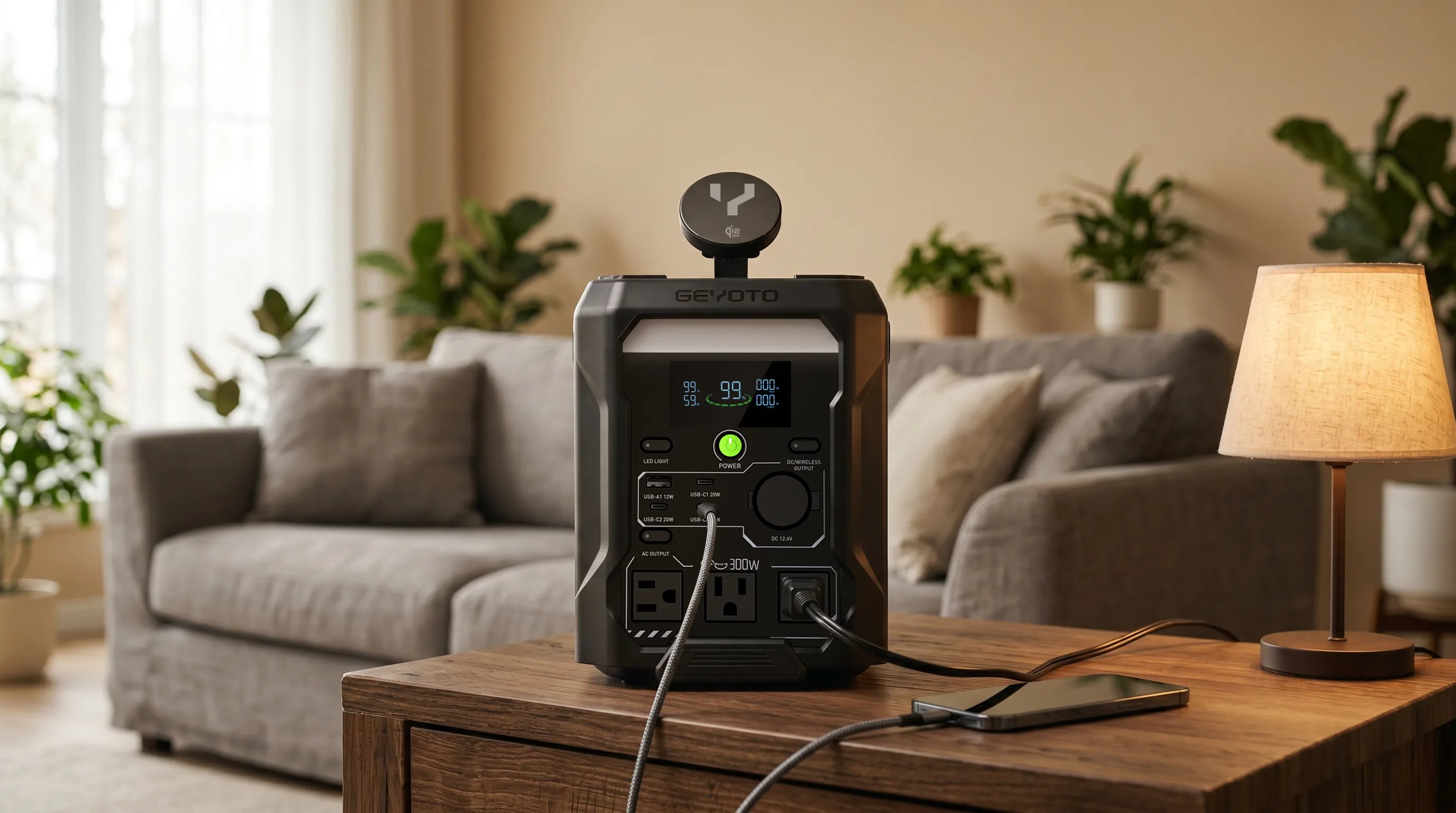
| Essential indoor loads | Portable power station | Quiet battery operation, no fuel exhaust during use, simple setup | Stored capacity is limited and must be recharged |
There is no single generator type that is best for every outage. The right choice depends on whether you need whole-home coverage, high continuous outdoor power, or managed backup for a smaller group of essential devices.
Emergency Power Priority List: What to Keep On First
When power goes out, the smartest move is to protect essentials first. Trying to run everything at once drains backup power quickly and may exceed the generator’s output rating.
| Priority | Device Type | Why It Matters | Backup Tip |
|---|---|---|---|
| Must keep on | Refrigerator / freezer | Helps protect food | Open doors as little as possible |
| Must keep on | Phone / radio | Emergency alerts and communication | Store charging cables with the battery |
| Important | Wi-Fi router / modem | Work, updates, communication | Low draw, useful if internet remains active |
| Important | CPAP / compatible medical devices | Essential overnight or health-related support | Check the device manufacturer's power requirements and test the backup setup before an outage |
| Comfort | Fan / low-power comfort devices | Temperature support | Use only within rated output |
| Optional | TV / entertainment | Information and morale | Use after essentials are covered |
Food, communication, lighting, and health-related devices should come before comfort loads. Ready.gov also recommends keeping refrigerators and freezers closed during outages and warns against unsafe heating methods such as using a gas stove or oven to heat the home.
How Much Backup Power Do You Need During an Outage?
Choosing a home emergency generator requires checking output power and available runtime separately.
Rated output determines how much continuous load the backup system can support. Appliances with compressors or motors may also have a higher startup demand, so peak output matters as well. Battery capacity or available fuel then determines how long those loads can continue operating.
A practical way to size emergency power is to start with the devices you actually need rather than the square footage of the home.
| Backup Plan | What to Prioritize | Example GEYOTO Fit |
|---|---|---|
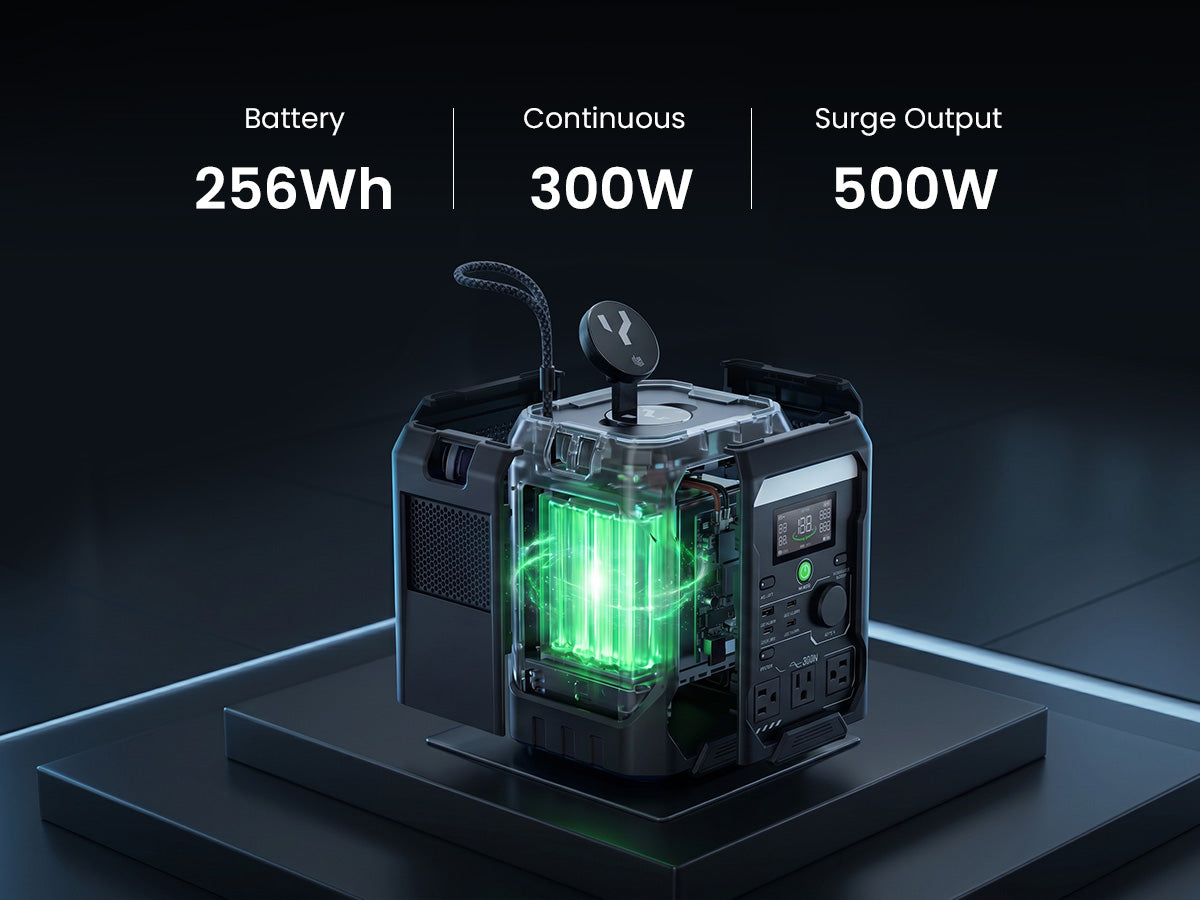
| Communication and lighting | Phones, Wi-Fi, LED lights, laptops and other light loads | N300: 256Wh, 300W rated / 500W peak |
| Managed essential backup | Refrigerator, CPAP, Wi-Fi, TV, lighting and charging on a priority basis | N1000: 1,024Wh, 1,800W rated / 3,000W peak |
| Whole-home or major high-draw loads | Central HVAC, large electric heating, multiple major circuits | Consider a larger professionally designed backup system |
If you are comparing battery capacity, rated output, and peak output, our portable power station wattage guide explains how these specifications affect real device compatibility.
Home Emergency Generator Types Compared
A good backup plan starts with knowing the difference between the main options.
Fuel generators are powerful, but they need careful handling. The U.S. Consumer Product Safety Commission warns that carbon monoxide from generators can kill in minutes and says portable generators should never be used indoors, in garages, basements, or sheds. They should be used outside and away from openings such as windows, doors, and vents.
That safety difference is one reason portable power stations have become popular for essential indoor backup. They do not burn fuel during use, do not create exhaust, and are easier to keep ready for smaller outages.
| Feature | Standby Generator | Gas Portable Generator | Portable Power Station |
|---|---|---|---|
| Start-up | Automatic if installed | Manual or electric start | Button start / UPS on some models |
| Indoor use | Installed outside | Outdoor only | Suitable for indoor battery operation when used as directed |
| Noise | Moderate to high | Noticeable under load | Quiet operation |
| Fuel | Natural gas / propane | Gasoline / propane | Battery, AC, solar, car charging |
| Maintenance | Professional service | Oil, filters, engine care | Low routine maintenance |
| Best for | Whole-home backup | High loads outdoors | Managed essential loads and quiet indoor backup |
Plan Backup Power by Outage Length
A three-hour outage and a three-day outage are not the same problem. Planning by duration helps you choose the best generator for power outage use without overspending or undersizing.
3-Hour Outage
For a short outage, focus on phones, a few lights, the router if internet is active, and refrigerator management. A compact power station may be enough if loads are kept light.
12-Hour Outage
A half-day outage requires more discipline. Refrigerators, medical devices, communication gear, and lighting should come first. A half-day outage requires more disciplined load management. Refrigeration, medical equipment, communication, and lighting should come first. A 1kWh-class portable power station can provide more flexibility for managed essential loads, especially when high-draw appliances are used selectively rather than continuously.
3-Day Outage
For a multi-day outage, stored energy alone is rarely the whole plan. Prioritize devices by time of day, rotate nonessential loads, and use available AC, solar, or vehicle recharging when conditions allow. Refrigeration may need periodic support, Wi-Fi and phones may only need intermittent charging, while equipment such as CPAP may become a nighttime priority. For a device-by-device example of how to prioritize stored energy during an outage, see our N1000 power outage runtime guide.
One-Week Outage
Long outages usually need a broader strategy: larger battery storage, solar recharging, community resources, or a fuel generator for outdoor high-load use. A portable power station can still protect essentials, but the household should plan around conservation and recharge access.
Safety First: Why Fuel Generators Need More Caution
Gasoline and propane generators should never be operated inside a home, garage, basement, crawlspace, shed, porch, or carport. Opening doors or windows is not enough to prevent carbon monoxide from building up.
Portable fuel generators should be operated outdoors in a dry area, at least 20 feet from the home and away from doors, windows, and vents. Working carbon monoxide alarms should also be installed on every level of the home and outside sleeping areas.
A battery power station does not burn gasoline or propane during use, so it does not create combustion exhaust. It still needs dry placement, ventilation, correct cabling, and loads kept within the product's rated limits.
Noise, Night Use, and Neighborhood Rules
Noise is another reason many homeowners look beyond fuel generators. During daytime storm cleanup, a generator may feel acceptable. At night, in a townhouse, apartment, subdivision, or HOA community, the sound can become a problem.
Local rules vary, and some neighborhoods or campgrounds may restrict generator hours. A battery power station is quiet during operation, which makes it easier to use for overnight essentials such as a router, phone charging, light, fan, or medical device.
GEYOTO N1000 fits quiet indoor backup scenarios with about 36 dB of operating noise when loads stay below 500W. Its <10ms UPS switching can also help compatible routers, computers, and other electronics transition quickly when grid power is interrupted.
Long-Term Cost: More Than the Purchase Price
A backup power decision should look beyond the first purchase. Gas generators may cost less upfront in some cases, but fuel, oil changes, filters, engine maintenance, storage, and occasional servicing add to ownership effort. They also need safe fuel storage.
A battery power station has a different ownership profile. It does not require gasoline storage or routine engine maintenance during battery use, although battery condition and capacity still change over time. The N1000 uses LiFePO4 battery chemistry rated for 4,000 cycles, making cycle life an important part of long-term backup planning.
Disaster-Specific Home Backup Checklist
Different disasters create different backup priorities.
Hurricane Outage
Prioritize refrigerator cycling, communication, LED lighting, weather information, and any essential medical equipment. If the outage may last beyond the first day, plan for load rotation and safe recharging rather than trying to power every device continuously.
If you are preparing specifically for hurricane season, use our hurricane power station sizing guide to compare battery capacity, rated output, startup demand, and essential-load priorities.
Winter Storm
Communication devices, lighting, medical devices, and safe heating support come first. Do not use gas stoves, ovens, grills, or fuel-burning devices indoors for heat, as this increases carbon monoxide and fire risk.
Earthquake
Stored power is useful because fuel access, roads, and grid service may be disrupted. Keep lighting, phone charging, radio, and first-aid device charging at the top of the list.
Wildfire or Public Safety Power Shutoff
Keep phones, radios, routers, medical devices, and small air-quality support devices ready if their wattage fits your backup capacity. Portable power is also easier to move if evacuation becomes necessary.
Where GEYOTO N1000 Fits in a Home Emergency Plan
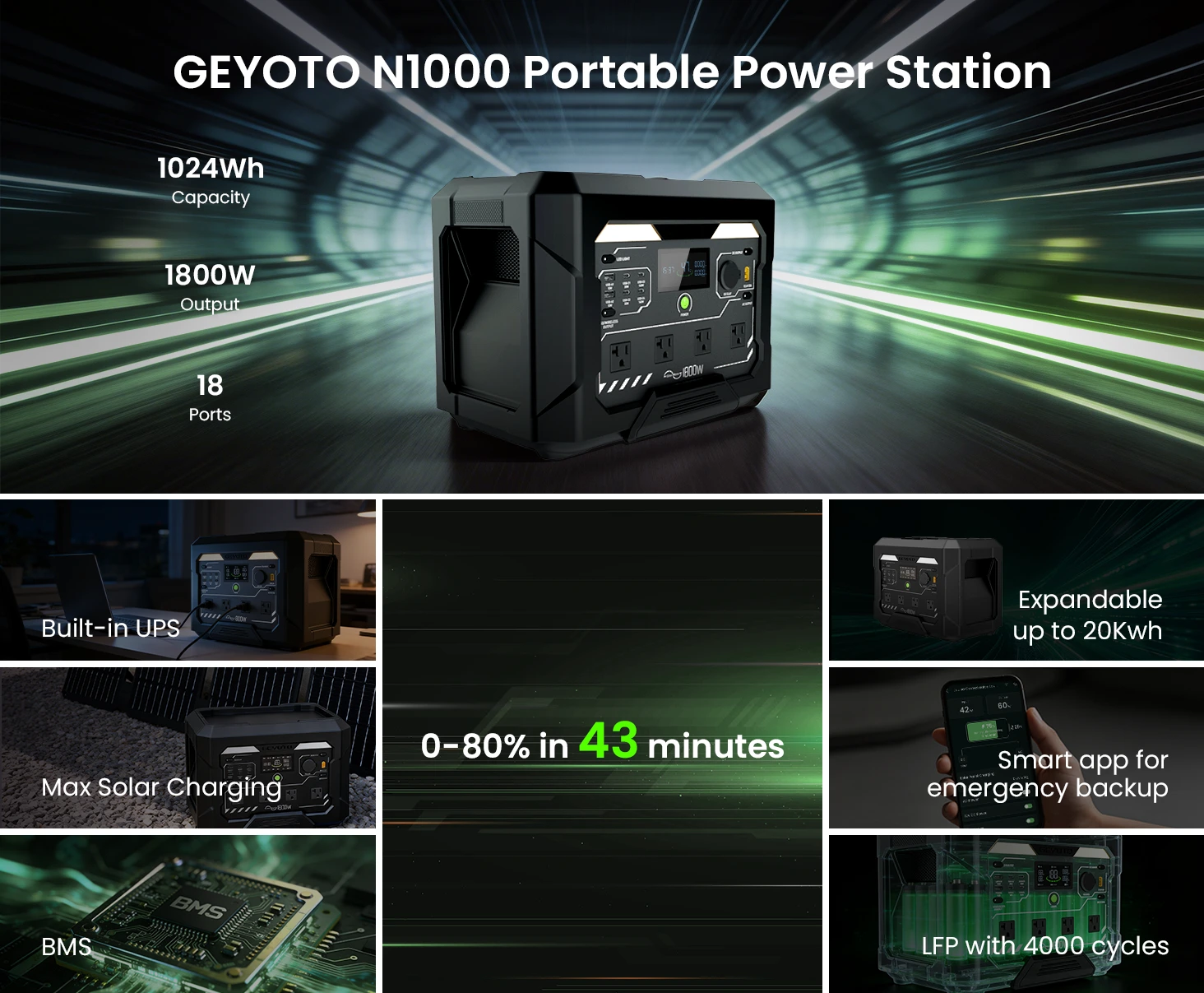
The GEYOTO N1000 is best understood as an essentials-first backup power station rather than a replacement for a professionally installed whole-home generator. It combines 1,024Wh capacity with 1,800W rated pure sine wave AC output and up to 3,000W peak output, allowing it to support a wider range of compatible household essentials than a smaller light-duty unit.
For example, a 48W Wi-Fi router has an estimated runtime of about 17.1 hours, a 90W CPAP machine about 9.1 hours, and a 120W refrigerator about 6.8 hours. Actual runtime varies with device settings, compressor cycling, temperature, simultaneous loads, and other operating conditions.
The N1000 also supports <10ms UPS switching, reaches 80% charge in about 43 minutes, and supports up to 800W solar input. These features are most useful when the household treats backup power as a managed essential-load system rather than attempting to run every circuit at once. For a closer look at real outage performance, runtime, charging, and practical limitations, read our GEYOTO N1000 review.
When a Smaller Power Station Makes More Sense
Not every home needs a 1kWh unit for every situation. A smaller power station can be a better fit for short outages, apartment backup, router and phone charging, small LED lights, weekend camping, or a grab-and-go emergency kit.
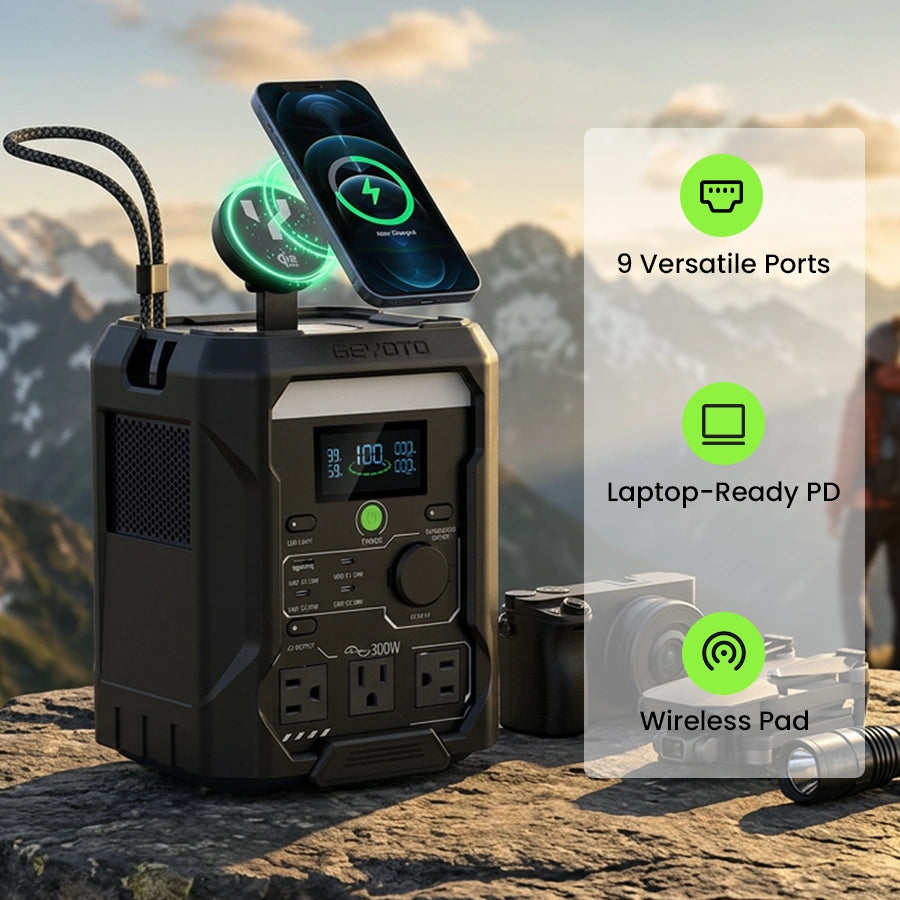
The N300 is better suited to light essential loads and shorter backup windows. It combines 256Wh capacity with 300W rated output, 500W peak output, nine output ports, <10ms UPS switching, and up to 140W solar input. At 7.72 lb / 3.5 kg excluding the silicone armor, it is also easier to carry between home, vehicle, travel, and outdoor setups.
Buying Checklist: How to Choose the Best Generator for Power Outage Use
Before choosing a home emergency generator, write down what you need to run first. Then check wattage, startup surge, and runtime expectations.
A practical checklist:
List must-run devices before comfort devices
Check each device’s wattage label
Account for refrigerator or motor startup surge, Check battery capacity separately from output power so you know both what the system can run and how long it may last
Check whether your connected electronics require pure sine wave AC output
Decide whether you need indoor battery backup or outdoor fuel power
Look for UPS support if routers, computers, or key devices need continuity
Check recharge options: AC, solar, car, or fuel
Store cables and adapters with the unit
Test everything before storm season
A backup system should feel familiar before the lights go out.
FAQ
What is the best home emergency generator for beginners?
The best choice is safe, easy to start, quiet, compact, and sized for essentials. For many beginners, a portable power station is easier than a gas generator because it does not require fuel, oil changes, or outdoor operation during battery use.
What size emergency generator do I need?
Start with the devices that must stay powered. Add their normal running wattage, check the highest startup demand from appliances with motors or compressors, and then decide how many hours of backup you need. Light communication and charging loads may fit a smaller system, while refrigeration, CPAP equipment, Wi-Fi, TVs, and several simultaneous essentials usually require more capacity and output. Whole-home HVAC or multiple major circuits typically require a larger professionally designed backup system.
Is a portable power station better than a gas generator?
For indoor essentials and quiet backup, often yes. For heavy continuous loads outdoors, a fuel generator may still make sense. The best choice depends on the devices, outage length, and safety needs.
Can a portable power station run a refrigerator?
Yes, if the power station can handle both the refrigerator's running wattage and compressor startup demand. With the N1000, a 120W refrigerator has an estimated runtime of about 6.8 hours, although actual elapsed backup time varies with compressor cycling, appliance efficiency, room temperature, thermostat settings, and door openings. For more detailed refrigerator sizing and outage planning, see our refrigerator backup power guide.
Can I use a gas generator indoors?
No. Fuel generators should never be used indoors, in garages, basements, sheds, porches, or enclosed areas because of carbon monoxide risk. Use them outdoors and away from windows, doors, and vents.
Is GEYOTO N1000 good for home emergency backup?
Yes, when the goal is managed backup for essential devices rather than whole-home power. The N1000 provides 1,024Wh capacity, 1,800W rated AC output, up to 3,000W peak output, <10ms UPS switching, and up to 800W solar input. It is better suited to refrigerator, CPAP, Wi-Fi, TV, lighting, charging, and similar essential-load planning than to powering an entire home's HVAC and major circuits simultaneously.
Build an Emergency Power Plan Before the Lights Go Out
The best home emergency generator is not chosen by wattage alone. It should match your essential devices, outage duration, safety needs, storage space, and comfort with maintenance. Fuel generators still have a place for outdoor high-load backup, but portable power stations are easier for many households that want quiet, fuel-free emergency power.
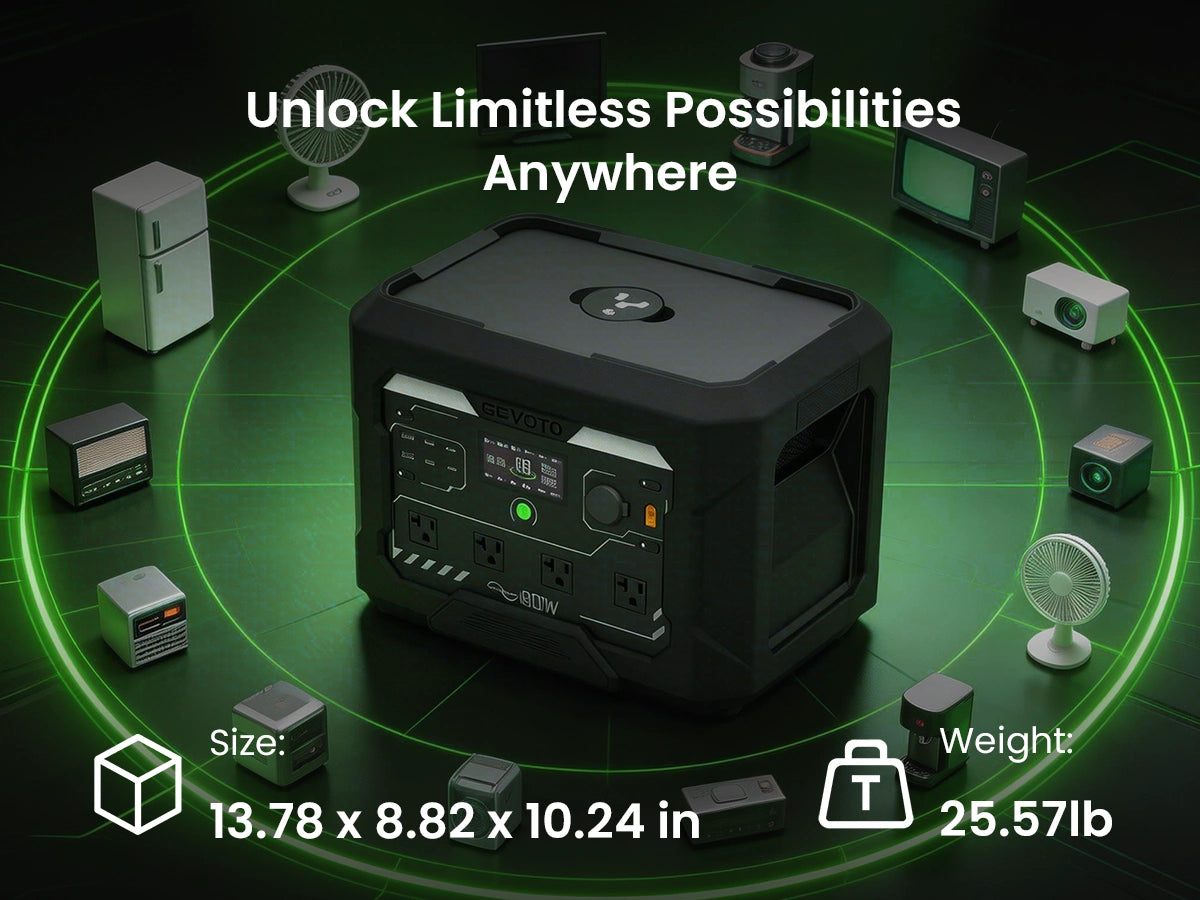
GEYOTO N1000
For essentials-first backup, GEYOTO N1000 offers a balanced 1024Wh option for storm season and home outages.
The smartest plan is simple: know your loads, test your setup, and keep backup power ready before the next outage begins.