How to Choose the Best Waterproof Micro Switch for Your Project?
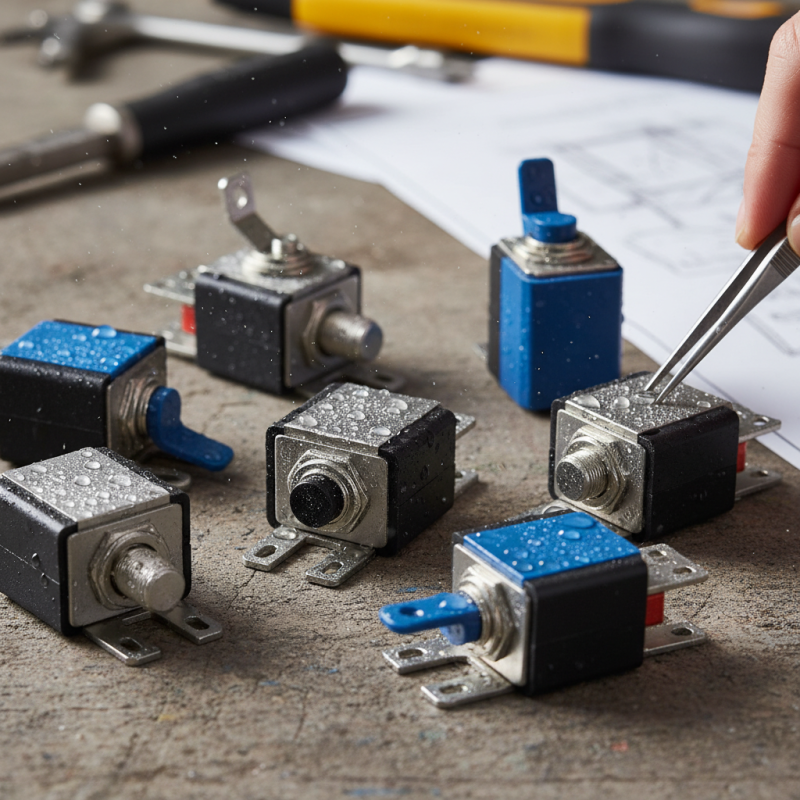
Choosing the right Waterproof Micro Switch is crucial for any project. These switches provide robustness in various environments. Their design enables them to resist moisture, dirt, and dust. This feature is essential for applications in harsh conditions, like outdoor equipment.
When selecting a Waterproof Micro Switch, consider specific project requirements. Look at the switch’s ratings, including voltage and current capacity. The size and mounting options can greatly affect installation. It's also vital to examine the sealing methods used. A poorly designed switch can lead to failure.
Ultimately, the goal is to find a balance between quality and cost. Sometimes, cheaper options may compromise performance. Remember, not every Waterproof Micro Switch fits every need. Reflecting on experiences can guide better choices.
Understanding the Basics of Waterproof Micro Switches in Electronics
Waterproof micro switches play a crucial role in various electronic applications. These devices prevent the intrusion of moisture, ensuring reliability in harsh conditions. According to industry data, approximately 30% of device failures in outdoor electronics result from water damage. Selecting the right waterproof micro switch can significantly increase the lifespan of your equipment.
When assessing waterproof switches, consider their IP rating. A higher IP rating indicates better resistance to water and dust. For instance, an IP67 rating signifies complete protection against dust and immersion in water up to one meter. However, the specifications can be misleading. Not all products with high ratings perform equally, especially if used outside their intended parameters.
Testing and compatibility are also essential. Many manufacturers report that improper installation is a common cause of failure. Moreover, environmental factors can affect switch performance. Heat, humidity, and vibration might compromise their waterproof features over time. Be cautious and conduct real-world testing to evaluate their reliability in your specific application.
Waterproof Micro Switches Performance Comparison
Key Specifications to Consider When Selecting Waterproof Micro Switches
When selecting waterproof micro switches, consider the key specifications that impact performance. Look at the ingress protection (IP) rating. A higher rating means better resistance to dust and water. Common ratings are IP65 and IP67. Ensure it meets the needs of your environment.
Another specification is the operating temperature range. Some switches work well in extreme conditions, while others do not. Double-check that the micro switch fits your project requirements. Second, examine the actuation force. This is important for ensuring proper function. If it's too light, it might trigger accidentally. Too heavy, and it could become unresponsive.
Lastly, review the materials used in the switch. Corrosion-resistant materials are essential for durability. Plastic components may wear down faster than metal ones. It’s vital to assess how these materials perform over time. Some switches may fail prematurely, which could affect your entire project. Choose wisely and test thoroughly to avoid these pitfalls.
Common Environments and Applications for Waterproof Micro Switches
Waterproof micro switches are essential in many environments. They thrive in harsh conditions. For example, marine applications require switches that resist saltwater. These switches keep boats functional and safe. In outdoor jobs, moisture can ruin electronics. A waterproof micro switch protects against rain and humidity. This ensures reliable operation.
Another critical application is industrial settings. Factories often deal with water spills or cleaning processes. A waterproof micro switch can endure these conditions. It is important for maintaining productivity. However, not all waterproof switches are the same. Factors like temperature and pressure can impact their performance. Testing these switches in real conditions can reveal weaknesses.
Choosing the right switch involves understanding the environment. Think about the specific challenges you might face. Will it be exposed to dust or chemicals? Assessing these factors can lead you to the best option. This process requires reflection and testing, as each project is unique. Make sure to consider the switch’s response time and durability. Even small details matter for long-term reliability.
Evaluating the IP Ratings: What You Need to Know for Your Project
When selecting a waterproof micro switch, understanding IP ratings is crucial. The Ingress Protection (IP) rating system measures how well devices resist dust and water. For instance, an IP67 rating indicates complete dust resistance and temporary water immersion up to 1 meter. According to industry research, 45% of failures in electronic devices arise from water damage. Thus, choosing the right IP rating can significantly reduce this risk.
Projects often vary in the environments they operate in. For example, an outdoor application might require switches with a higher rating, such as IP68. This rating ensures that the device can withstand continuous water exposure. A report by the International Electrotechnical Commission emphasizes that 80% of field failures are linked to inadequate waterproofing. Understanding these ratings helps engineers make informed choices, especially in challenging environments.
It's important to note that not all applications demand the highest ratings. Sometimes, a lower rating suffices, saving costs while still offering adequate protection. Additionally, engineers might overlook the impact of environmental factors like temperature or humidity on switch performance. Regular testing and evaluation can lead to better decisions, ultimately enhancing a project's reliability.
Top Brands and Their Innovations in Waterproof Micro Switch Technology
When selecting a waterproof micro switch, understanding the innovations in this technology is essential. Different brands are focusing on enhancing durability and performance. For example, some have introduced sealing techniques that provide superior protection against dust and moisture. These advances allow switches to function better in harsh environments.
Another innovation is the use of advanced materials. Some brands are utilizing specialized plastics and coatings to resist chemicals and temperature fluctuations. This means a longer lifespan and reliability in diverse applications. However, not all products meet these high standards consistently. It's crucial to evaluate product reviews and user feedback to avoid poorly designed switches.
In considering these advancements, remember that not every solution may fit your unique project requirements. Take time to assess the specifics of your application. Also, the price difference can sometimes indicate varying levels of quality. Therefore, balancing cost and performance can be tricky but worthwhile.
How to Choose the Best Waterproof Micro Switch for Your Project? - Top Brands and Their Innovations in Waterproof Micro Switch Technology
| Feature | Description | Waterproof Rating | Temperature Range | Actuation Force |
| Contact Type | SPST, SPDT, DPDT options available | IP67 or IP68 | -40°C to 85°C | 50 grams - 200 grams |
| Size | Compact and mini options | IP67 or IP68 | -25°C to 70°C | 100 grams - 400 grams |
| Material | Housing made of durable plastic or metal | IP65 to IP68 | -10°C to 60°C | 30 grams - 150 grams |
| Life Cycle | Up to 1 million operations | IP67 | -40°C to 85°C | 70 grams - 300 grams |
| Mounting Type | Panel mount, PCB mount options available | IP68 | -40°C to 85°C | 200 grams - 500 grams |