How to Choose the Right Micro Switch for Your Project?
micro switches play a crucial role in various applications, ranging from home appliances to industrial machinery. A recent report by MarketsandMarkets highlighted that the global micro switch market is expected to reach $3.89 billion by 2025, driven by the rise in automated systems. Selecting the right micro switch can significantly impact the functionality and reliability of a project.
When choosing a micro switch, consider factors like actuation force, electrical ratings, and lifespan. Misjudgments in these areas can lead to malfunctioning devices, causing delays and increased costs. Reports indicate that over 30% of design faults stem from incorrect component selection, emphasizing the importance of informed choices.
Also, keep in mind the environmental factors your switch may face. Factors such as humidity, temperature, and vibration can affect performance. It's easy to overlook these aspects, yet they can lead to issues later. A detailed examination of your project requirements and the selection of the appropriate micro switch can pave the way for success.
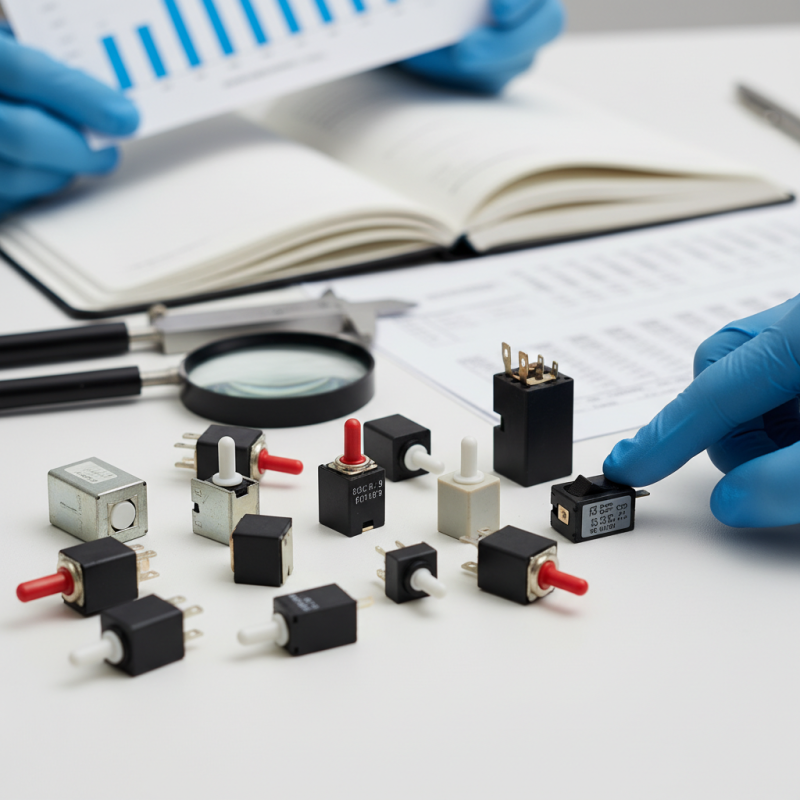
Understanding Micro Switches: Types and Functions
Micro switches play a crucial role in electrical systems. They are small, but they have a big impact on functionality. Understanding the different types of micro switches is essential for any project. These switches can be categorized based on their operating principles, such as snap-action or momentary switches. Each type serves unique functions that cater to specific needs.
According to recent industry reports, the demand for micro switches has grown significantly. The global micro switch market size was valued at approximately $1.5 billion in 2022 and is expected to continue expanding. This growth indicates the importance of selecting the right switch for optimal performance. For example, snap-action switches are known for their reliability in high-cycle applications, while momentary switches are ideal for applications requiring short-term activation. Choosing the right type can prevent malfunction and enhance durability.
Consider also the environment. Some micro switches are better suited for harsh conditions. Waterproof or dustproof designs offer added protection. However, selecting these options may increase costs. It's important to balance functionality and budget. A poor choice can lead to failures, prompting costly replacements. Careful evaluation of project requirements will lead to better outcomes in the long run.
Micro Switch Types and Their Applications
Key Considerations for Selecting a Micro Switch
Choosing the right micro switch is crucial for your project. Many factors come into play during this selection. Understanding the operating environment is key. Micro switches are sensitive to temperature and humidity. Some are designed for harsh conditions, while others are not.
When selecting a micro switch, consider its mechanical properties. The actuation force is an important factor. Generally, lighter actuation can lead to faster response times. However, too little force might cause unintentional triggering. Always review the specifications closely. For example, a report by the International Electrotechnical Commission states that the right actuation force can improve efficiency by up to 15%.
Tips: Look for switches with a clear rating for cycle life. Micro switches might wear out quickly if used beyond their limits. It's essential to match the switch's ratings with project requirements. Check the contact configuration as well. It plays a significant role in circuit design. Also, evaluate the switch's dimensions. Make sure it fits your design without compromise.
Think about the installation. Accessibility can be an issue. Some switches might not be easy to reach once installed. This factor could waste time and resources in maintenance. Reflect on these details before making your decision. A thorough understanding of the application will guide you in choosing the best micro switch.
Evaluating Specifications: Current, Voltage, and Size Requirements
When choosing a micro switch, evaluating specifications is crucial. Start with the current rating. This rating determines how much electrical load the switch can handle. Exceeding this limit may lead to failure. Understand the current needs of your project. It’s also important to consider the on-state and off-state currents separately. They might differ, so pay attention.
Voltage rating is another key factor. This dictates how much voltage the switch can withstand without burning out. A micro switch may work well under low voltage but fail under higher voltage. Be accurate in your voltage calculations. Use a multimeter if needed. If you expect fluctuations, opt for a switch with a higher voltage rating.
Size requirements should not be overlooked. The switch must fit into your design. Measure the space accurately. Also, consider the actuator type and size. It must align with your application. If it's too big or too small, it could affect performance.
Tips: Always check the switch's life cycle. A switch might look fine but may fail prematurely if not rated for your needs. Testing under load helps ensure reliability. Consider environmental factors too. Dust or moisture can affect performance.
How to Choose the Right Micro Switch for Your Project?
| Specification | Description | Importance |
| Current Rating | The maximum current that the switch can handle. | Ensures the switch operates reliably without overheating. |
| Voltage Rating | The maximum voltage that the switch can handle safely. | Prevents electrical hazards or failures. |
| Size | Physical dimensions of the switch. | Fits in your project's constraints and design. |
| Actuation Type | The method by which the switch is activated (e.g., lever, push button). | Affects user interaction and application functionality. |
| Temperature Range | Operating temperature limits of the switch. | Ensures performance in the intended environment. |
| Life Cycle | Expected number of cycles before failure. | Indicates reliability and durability for the application. |
Assessing Environmental Factors and Durability Standards
When selecting a micro switch, assessing environmental factors is crucial. Different applications expose switches to unique conditions. Humidity, dust, and temperature can significantly affect performance. For instance, a study shows that almost 30% of micro switch failures occur due to moisture or extreme heat. Such conditions may lead to premature wear, affecting reliability.
Durability standards are equally important. Choosing a switch with the right ratings ensures it can withstand expected usage. Commonly, switches are tested against IP (Ingress Protection) ratings. An IP67 rating, for example, indicates complete protection from dust and temporary immersion in water. However, these ratings can sometimes be misleading. Real-world scenarios often reveal that the conditions differ from the tests. A detailed understanding of the application environment is vital. Consider factors like the potential for shock or vibration as well, which can compromise switch integrity.
Making a choice requires careful deliberation. While seeking durable options, one must not overlook the operational context. Factors such as expected load and contact material play significant roles. An overly robust switch may be overkill, while under-specification could lead to unexpected failures. Understanding these nuances allows engineers to select the most suitable micro switch for any project.
Comparative Analysis of Different Micro Switch Brands and Models
When selecting the right micro switch for your project, it's essential to consider various brands and models. Each has specific features, specifications, and potential applications. Analyzing these differences helps narrow down your choices.
Look at the contact rating of each switch. This determines how much current it can handle. Ensure you match the switch with your project's requirements. It’s not always about the cost; sometimes, you get what you pay for. Some cheaper switches may fail sooner than expected.
Tip: Always check the switch's durability. Some may have a shorter lifespan under heavy use.
Examine the actuation force and travel distance. These parameters affect how responsive the switch is in real-world scenarios. Trying a few options before making a decision is wise.
Tip: Test the switches individually. This reveals their characteristics better than specs alone.
Not all switches perform the same in different environments. Temperature and humidity can impact their functionality. Be mindful of these factors when making your selection.