
Choosing a Conductivity Meter is not just a matter of comparing prices or screen sizes. The instrument must suit the sample, measurement range, and working environment. USGS field guidance treats specific conductance as a defined measurement and standardizes reporting at 25°C. ASTM D1125-23 also covers methods for measuring water conductivity and resistivity. These references matter when buyers compare readings across laboratories, factories, or field teams.
Small details can change results. A probe’s cell constant, temperature compensation, calibration process, and resistance to contamination all deserve attention. A meter used beside a rinsing station faces different demands from one installed near a process tank. Check whether calibration solutions are available locally, and ask how the supplier handles service and replacement probes. A low purchase price can become expensive.
Lord Kelvin, a physicist known for his work on measurement, is often credited with the line, “To measure is to know.” It is a useful principle, though it does not select the right meter for you. Buyers still need to test actual samples and question specifications that look unusually broad. That step is easy to skip. It can also reveal practical limits that a brochure leaves out. Compare repeatability, range, temperature response, and operating costs before choosing a Conductivity Meter. No single model fits every application, and even a well-specified instrument needs sound calibration and careful handling.
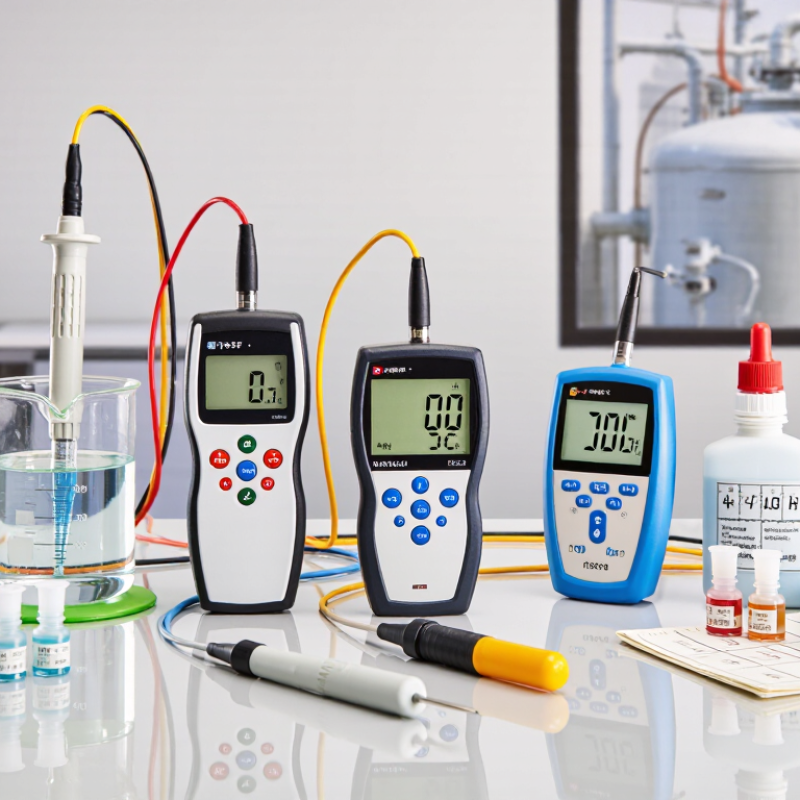
A conductivity meter should match the liquid, not just the number on its display. Pure water may measure below 1 µS/cm, while concentrated brines can reach tens or hundreds of mS/cm. Check the expected range before comparing models. A meter that handles only low-conductivity samples may overload in salty process water.
For purified water, small contamination can distort a reading. A wet fingerprint, an unclean cup, or brief exposure to air may change the result. Use a suitable low-range probe and a clean, covered vessel. Temperature matters, too. Automatic compensation is useful, but it cannot replace consistent sample handling. Tiny details count.
Brines need a probe designed for higher conductivity and repeated contact with salty solutions. Confirm that its materials resist corrosion, and check the meter’s upper limit with room to spare. Auto-ranging sounds convenient, but range alone does not guarantee accuracy where you actually measure. Match the probe’s cell constant and calibration standards to the sample. I would test a representative sample before purchasing, especially if its concentration changes by season or batch. The specification sheet may look reassuring; real samples can be less tidy.
The cell constant, K, describes the geometry of a conductivity probe and helps determine which measurement range it suits. A K = 0.1 cm⁻¹ cell is generally used for low-conductivity water, where small changes matter. Its larger electrode area can produce a stronger signal, but clean handling is essential. A fingerprint, dusty cap, or trace of rinse water can distort a low-level reading. Small details matter.
K = 1 cm⁻¹ is a practical middle choice for many drinking-water and general process measurements. K = 10 cm⁻¹ is typically better for highly conductive samples, such as concentrated salts or brines. These are guides, not fixed limits; the probe and meter specifications define the usable range. I would check that range against the sample’s expected conductivity before ordering. A mismatch may cause unstable readings or poor resolution. It is easy to overlook.
Calibration solution should be close to the sample range, and the probe should be rinsed between samples. Temperature also affects conductivity, so confirm how the meter handles compensation. I would not treat automatic compensation as a cure-all: unusual sample chemistry can still affect results. If the sample range varies widely, one cell constant may not cover every job well.
Use this guide to match a conductivity cell to the expected sample range. The ranges below are indicative selection guides, not fixed limits; the meter, probe design, temperature compensation, and calibration method affect the usable range.
| Cell constant (K) | Indicative conductivity range | Typical sample types | Buying tip |
|---|---|---|---|
| 0.1 cm⁻¹ | Low conductivity; commonly selected for measurements from approximately 0.1 to 200 µS/cm. | Distilled or deionized water, low-mineral water, and dilute aqueous solutions. | Choose a low-constant cell when small conductivity changes matter. Check that the probe and meter are designed for low-conductivity work, where contamination and air exposure can affect readings. |
| 1 cm⁻¹ | General-purpose range; commonly used from about 10 µS/cm to 20 mS/cm. | Drinking water, surface water, many process-water samples, and moderate-strength solutions. | Choose K = 1 for broad everyday coverage when sample conductivity is not consistently very low or very high. |
| 10 cm⁻¹ | Higher conductivity; commonly selected for approximately 1 to 200 mS/cm. | Concentrated electrolytes, brines, and seawater-level conductivity samples. | Choose a high-constant cell for conductive samples. Confirm the probe’s stated maximum range and compatibility with the sample’s temperature and chemical composition. |
| Selection check | Cell-constant ranges overlap and vary by instrument and probe. | Samples whose conductivity changes substantially between batches or process stages. | Compare the expected minimum and maximum sample values with the manufacturer’s specified range for the exact probe-and-meter combination. |
| Units check | 1 mS/cm = 1,000 µS/cm. | Water and solution testing reported in either µS/cm or mS/cm. | Confirm that the meter display and exported data use the units required by your application to avoid conversion errors. |
| Temperature check | Conductivity generally changes with temperature; the effect depends on the solution. | Samples measured at varying room, field, or process temperatures. | Check whether the instrument supports a temperature sensor and selectable temperature compensation. Use a compensation setting suitable for the sample and test method. |
| Calibration check | Calibration standards should bracket or suit the measurement range. | Routine laboratory, field, and process measurements. | Verify that suitable conductivity standards are available for the chosen cell constant and that the probe can be cleaned and maintained for your sample type. |
Note: Cell constant is the ratio of the distance between electrodes to their effective area, expressed in cm⁻¹. Select the probe using its stated specifications and the expected sample range; example ranges are indicative and are not universal performance guarantees.
Before comparing conductivity meters, check the method specified in the applicable edition of ASTM D1125 or ISO 7888. ASTM D1125 covers conductivity and resistivity measurements for water, while ISO 7888 addresses determining water’s electrical conductivity. Their procedures may differ in details. A meter’s display of conductivity alone does not prove that a test follows either standard.
Compare the required measurement range, cell constant, calibration procedure, and temperature reference. For example, a plant measuring treated water near a process line may need a different cell configuration from a laboratory testing low-conductivity water. Check whether the meter’s temperature compensation matches the method and sample. It is tempting to assume automatic compensation solves every temperature issue. It does not; the correct approach depends on the sample and procedure.
Look for clear documentation of supported methods, calibration options, and stated operating limits. Ask the supplier to explain how the instrument is configured for your sample type, rather than relying on a general claim of standards compatibility. Also review practical details: a suitable conductivity standard, clean measurement cell, and consistent rinsing can affect results. Small contamination matters. This part is easy to overlook. The standard, meter, and handling procedure need to work together, and local laboratory procedures may add requirements beyond the instrument’s features.
Typical potassium chloride (KCl) reference points illustrate the range a meter and cell may need to cover: approximately 0.147, 1.413, and 12.88 mS/cm at 25°C. When buying, confirm that the instrument’s measurement range, cell constant, temperature compensation, and calibration options suit your samples and the applicable requirements of ASTM D1125 or ISO 7888. Values shown are approximate; use suitable certified reference solutions for verification.
A conductivity meter’s accuracy depends on more than the number of digits on its display. Check the stated accuracy across the range you expect to measure, then compare it with your process needs. A meter specified as accurate to a percentage of reading may behave differently near the low end than one with a fixed error limit. Small differences matter.
Calibration should use fresh conductivity standards with values near your samples, and the standards’ temperature tables should match the instrument settings. Rinse the probe between solutions, then let the reading stabilize before recording it. A rushed calibration can create false confidence. Also check whether the meter supports the probe’s cell constant; a mismatch can distort readings even when calibration seems successful.
Temperature compensation adjusts readings to a reference temperature, commonly 25°C, but it does not make every sample behave identically. Automatic temperature compensation senses the sample temperature; the meter still applies a compensation model or coefficient. That model may suit routine salt solutions but fit other liquids poorly. Ask whether the coefficient is adjustable, and confirm how the instrument handles measurements away from 25°C. I would compare a sample at a controlled temperature when precision matters. It takes extra time. Yet assuming automatic compensation solves every temperature effect is an easy mistake.
Check the meter’s IP rating against its real working conditions. A washdown room, damp greenhouse, or dusty production floor may need different protection. Ask whether the rating applies to the complete meter, including its probe connection, not just the housing. Seals can wear. Inspect replacement costs and cleaning guidance before buying.
Tip: Test data logging with a sample workflow. Confirm storage capacity, timestamps, export formats, and whether readings can be transferred without special software. A clear record helps compare shifts and spot drift. Still, automated logs are not proof of accuracy; schedule calibration and keep the records easy to review.
Support matters when a probe gives unstable readings on a busy day. Ask about response times, local service options, calibration help, and availability of replacement probes. Request instructions in a language your team can use. Global certification also needs careful checking: match documents to the exact model and intended destination, then verify them with the relevant authority or importer. Certification names alone can be confusing. I would not assume one document covers every market; that assumption is easy to make, and worth questioning.
Northeast Battery, a Stored Energy Holdings, Inc. Company