
When equipment needs frequent access, ordinary bolts can turn a simple task into a frustrating delay. Thumb Screw Bolts offer a practical alternative. Their enlarged heads allow users to tighten or loosen fasteners by hand, often without a wrench or screwdriver.
This matters in inspection covers, instrument panels, electrical cabinets, laboratory devices, and light machinery. Imagine a technician opening a metal enclosure during a maintenance check. Instead of searching for a tool, the technician grips the knurled head and turns it directly. The action feels controlled and immediate.
Dr. John H. Bickford, a respected authority on bolted-joint engineering, described the basic principle clearly: “A bolt is a spring, not a rigid pin.” That reminder supports careful fastener selection. Thumb Screw Bolts still need suitable thread engagement, correct material, and reasonable tightening force. Hand operation does not remove engineering responsibility.
Their value is not only speed. They can reduce tool dependence, simplify repeated adjustments, and make access points easier to service. They also support cleaner workflows when small tools could fall into machinery or disappear during field work. Still, they are not perfect. Hand tightening may provide less consistent preload than a torqued bolt. Vibration, contamination, and excessive force can create problems.
The right choice depends on load, access frequency, environment, and security needs. A thoughtful design may use Thumb Screw Bolts for access panels, while retaining conventional fasteners for structural joints. Convenience helps, but it should never replace sound fastening practice.
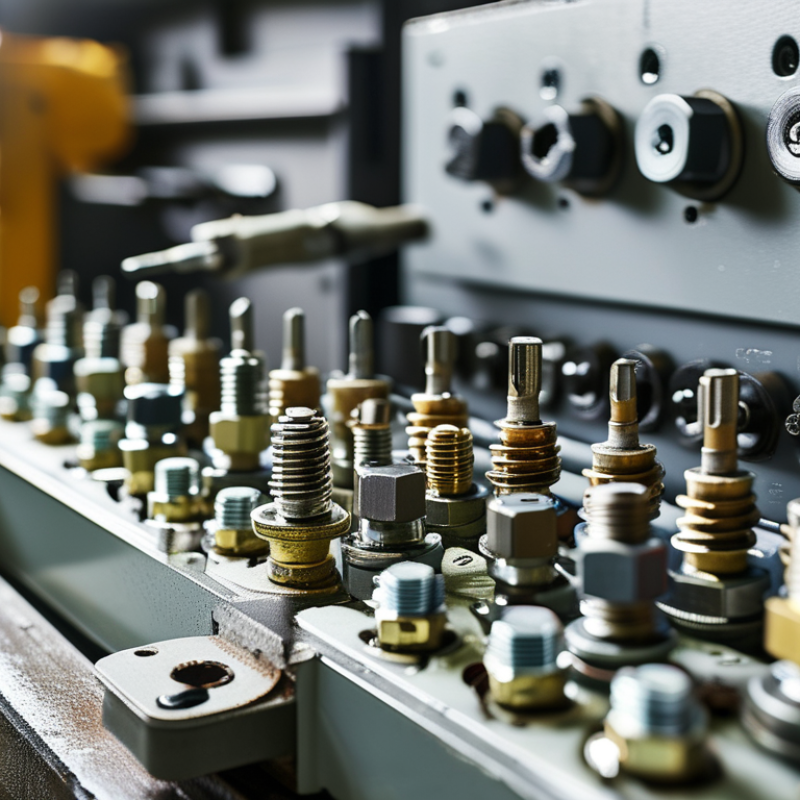
Thumb screw bolts are threaded fasteners designed for hand tightening. Their enlarged heads provide enough grip for fingers, without requiring a screwdriver or wrench. Some have rounded knobs, while others use a knurled edge for better control.
The threaded shank passes through a panel, bracket, or machine cover and engages with a threaded hole or nut. In practical equipment assembly, they are useful when access panels need frequent removal. For example, an operator can loosen a cover beside a crowded control cabinet using only their fingertips. This saves time and reduces the risk of scratched surfaces caused by slipping tools.
Materials vary by application. Stainless steel offers corrosion resistance in damp areas, while zinc-plated steel can suit many indoor assemblies. Plastic versions are lighter and may protect delicate surfaces. The correct thread size still matters. A convenient head cannot compensate for poor thread engagement.
Thumb screw bolts work best under light or moderate clamping loads. They are not a replacement for high-strength bolts in safety-critical joints. Hand tightening also creates inconsistent torque, which can cause loosening or weak clamping. A locking washer or thread-retaining method may help, where suitable. I once underestimated vibration in a small enclosure; the fastener felt secure but gradually backed out. That experience is a useful reminder: easy fastening should not mean careless fastening.
Common metric thumb screw sizes use coarse thread pitches that provide more axial movement per turn, making manual fastening and removal practical without tools.
The chart shows standard coarse-thread pitches for common metric sizes. A larger pitch moves the fastener farther with each rotation, while the knurled or wing-style head allows users to apply tightening force directly by hand.
Thumb screw bolts work through a simple combination of threaded engagement and direct hand pressure. The threaded shaft enters a matching hole or nut, creating a secure mechanical connection. A shaped head gives your fingers enough grip to turn the bolt without a separate tool. Small wings, knurled edges, or rounded lobes improve control during installation.
When you rotate the head clockwise, the threads pull the bolt inward and clamp the connected parts together. Turning it counterclockwise releases that pressure. The holding force depends on thread size, material, contact surface, and tightening effort. Hand tightening is convenient, but it is not always consistent. That matters in assemblies exposed to vibration or repeated movement.
From practical assembly work, I have found thumb screw bolts useful for access panels, adjustable fixtures, and removable covers. They save time during routine maintenance.
One detail is easy to miss. Dirt or cross-threading can damage the threads and reduce clamping strength. Align the bolt carefully before turning it, then tighten it firmly without forcing it.
I once assumed a larger head always improved fastening, but excessive hand force can distort softer materials. For critical joints, a torque-controlled fastener may be more reliable.
Thumb screw bolts are easy to fasten because their heads convert finger movement into practical tightening force. A knurled surface improves grip, even when gloves, dust, or light oil are present. No wrench needed. This saves tool changes during frequent access tasks, such as guarding, inspection covers, and small equipment panels. In field maintenance, the tactile feedback also helps users notice cross-threading before damage becomes serious. That matters.
The U.S. Bureau of Labor Statistics reported that musculoskeletal disorders represented about 27% of days-away-from-work cases in 2022. Reducing forceful gripping and awkward wrist positions can support safer assembly practices, although a thumb screw cannot remove every ergonomic risk. NIOSH guidance also identifies repetitive motion, force, and awkward posture as important contributors to work-related strain. A thumb screw’s larger head can reduce fingertip pressure and improve alignment during installation. Still, “tool-free” does not mean effort-free. I have seen users overtighten these fasteners, especially when vibration is expected. For that reason, engineers should match the thread, material, and clamping load to the joint. Critical connections may require controlled torque and a conventional fastener. ISO 12100 risk-assessment principles support evaluating the complete fastening task, not just the component. The best result comes from combining quick hand access with clear maintenance instructions and regular thread inspection.
| Data Dimension | What Is True About Thumb Screw Bolts? | Why This Makes Fastening Easier | Practical Consideration |
|---|---|---|---|
| Primary Installation Method | Thumb screw bolts are designed to be tightened and loosened by hand, usually through a knurled head, wing head, or other enlarged gripping surface. | Users can apply turning force directly with their fingers without searching for a wrench or screwdriver. | Hand tightening is suitable for light- to medium-duty clamping where high torque is not required. |
| Tool Requirement | Normally tool-free A standard thumb screw can be installed without a separate hand tool. | Fasteners can be adjusted quickly in assembly areas, service panels, fixtures, and access covers. | A tool may still be needed if the fastener includes a tool recess or if additional tightening torque is specified. |
| Grip Surface | Knurled or contoured heads provide texture and a larger contact area than a conventional small bolt head. | The textured surface reduces finger slipping and makes repeated adjustment more comfortable. | Sharp or coarse knurling can feel uncomfortable during frequent manual operation; head design should match the application. |
| Speed of Operation | The user can turn the fastener immediately after aligning the parts, without changing between tools. | Fewer installation steps can shorten setup, inspection, and maintenance time. | Actual time savings depend on thread size, thread length, access space, and the number of fasteners used. |
| Adjustment Frequency | Thumb screw bolts are well suited to parts that must be opened, repositioned, or removed regularly. | Frequent access is easier because the fastener can be operated directly by hand. | For permanent joints or assemblies subject to strong vibration, a locking feature or a different fastener type may be more appropriate. |
| Torque Level | Manual tightening generally produces less torque than tightening with a wrench or torque-controlled tool. | Lower torque helps reduce the risk of overtightening delicate panels, covers, and plastic components. | Thumb screws should not replace torque-controlled bolts where preload, structural strength, or safety-critical clamping is required. |
| Common Materials | Typical constructions include steel, stainless steel, aluminum, brass, and engineering plastics, depending on load and environment. | Material selection can provide an appropriate balance of strength, corrosion resistance, weight, and electrical insulation. | Stainless steel is commonly selected for corrosion resistance; plastic versions are useful where light weight or insulation is important. |
| Thread Compatibility | Thumb screw bolts may use metric or inch threads, with thread size and pitch determining compatibility with the mating hole or nut. | Correct thread matching allows smooth engagement and reduces cross-threading during hand installation. | Thread standard, diameter, pitch, length, and fit must be verified before installation. |
| Access Requirements | The head must provide enough clearance for fingers to rotate it through the required tightening path. | When access is open, the fastener can be operated from the front or side without tool clearance. | Restricted spaces may require a low-profile head, a side-grip design, or a conventional tool-operated fastener. |
| Typical Applications | Common uses include removable covers, machine guards, electronic enclosures, inspection panels, jigs, fixtures, and adjustable equipment. | These applications benefit from quick, repeated access and simple manual adjustment. | Application suitability depends on load, vibration, security needs, environmental exposure, and required tightening torque. |
| Risk of Loss During Removal | Standard thumb screw bolts can be completely removed from an assembly unless they use a captive design. | Captive versions remain attached to the panel, helping prevent misplaced hardware during maintenance. | Choose a captive thumb screw when loose parts could delay service or create a contamination or safety concern. |
| Fastening Limitation | Thumb screw bolts prioritize convenience and accessibility rather than maximum clamping force. | They provide an efficient solution for non-critical, frequently serviced connections. | For high loads, severe vibration, tamper resistance, or safety-critical joints, use an appropriately engineered bolted connection. |
Thumb screw bolts are common wherever people need quick, repeated access without carrying a tool. They appear on electrical enclosures, machine guards, inspection covers, laboratory instruments, and light-duty equipment panels. Their knurled heads provide grip, even when an operator wears gloves. This makes routine checks faster and reduces the chance of misplaced tools.
The 2024 Grand View Research analysis estimated the global industrial fasteners market at about USD 90.55 billion in 2023. It also identified automotive, construction, aerospace, and industrial machinery as major application sectors. Within these sectors, thumb screw bolts suit removable covers, control cabinets, test fixtures, and adjustable brackets. They work especially well in workshops where panels are opened several times each day. They are not a universal fix. High vibration, heavy loads, and safety-critical joints usually require engineered locking hardware instead.
Tips: Match the bolt material to moisture and chemical exposure. Check the thread size before installation. A washer can protect painted surfaces. Hand-tighten first, then inspect for looseness during servicing. In practice, convenience sometimes hides poor selection. That mistake deserves attention.
Choosing the right thumb screw bolt starts with the joint, not the bolt head. Check the thread diameter, pitch, and usable length before comparing materials. A bolt that feels convenient may still strip a soft panel. Measure the clamped parts with a ruler or caliper. Leave enough thread engagement for a firm hold, but avoid a tip that reaches moving parts.
Consider the working environment carefully. Stainless steel suits damp areas, while zinc-plated steel can fit many dry indoor assemblies. Plastic thumb screws reduce scratching on painted surfaces, but they usually handle less torque. Match the head shape to your fingers and available space. A large knurled head improves grip, while a low-profile head fits narrow covers. Small details matter.
Think about how often the fastener will move. For frequent access, choose a comfortable head and a moderate thread size. For occasional service, stronger material may matter more than grip. Do not rely on hand tightening for high-load joints. That is a common mistake. Thumb screws are made for easy adjustment, not unlimited force. In practical assembly work, test one sample first and inspect the panel after several uses. Threads can wear sooner than expected. Your first choice may need revision.
Northeast Battery, a Stored Energy Holdings, Inc. Company