Essential Tips for Choosing Pressure Reducing Regulators?
Choosing the right Pressure Reducing Regulators is crucial for various applications. These devices control the pressure of gases and liquids, ensuring safe and optimal performance. Selecting the ideal regulator involves several factors that need careful consideration.
When assessing pressure reducing regulators, first consider the specific application. Different environments demand different specifications. Factors such as flow rate and inlet pressure matter greatly. If the wrong regulator is chosen, safety can be compromised. Further, the quality and durability of materials play a significant role. Low-quality regulators can lead to leaks or malfunctions.
Lastly, user experience is essential. Reading reviews and getting recommendations can guide your choice. Don’t rush the selection process. An informed decision can save time and money in the long run. Remember, investing in quality pressure reducing regulators is investing in safety and efficiency.
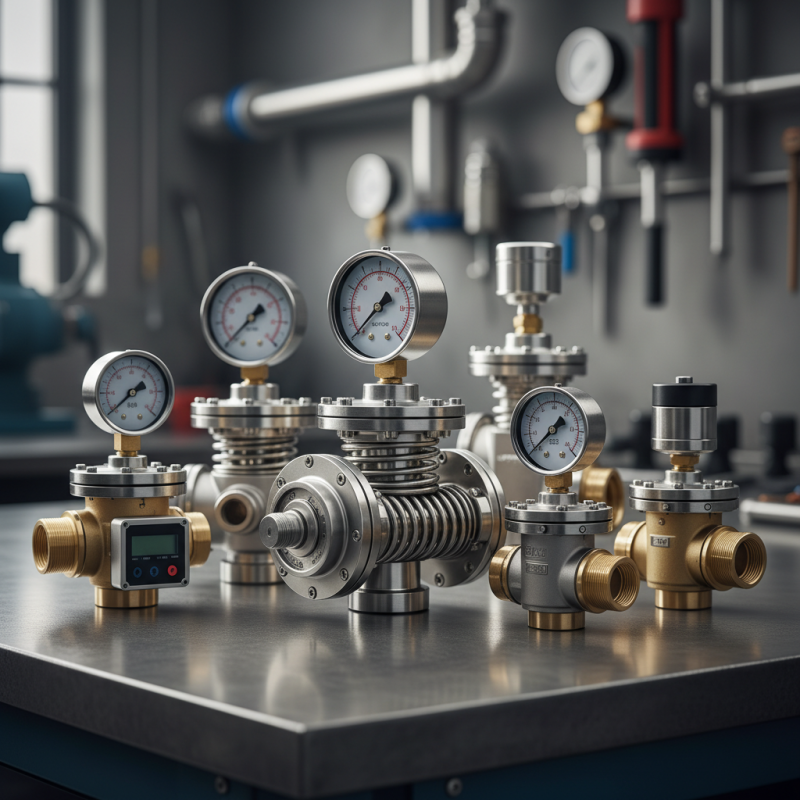
Types of Pressure Reducing Regulators and Their Applications
When selecting a pressure reducing regulator, understanding the types available is crucial. There are two main types: single stage and two-stage regulators. Single-stage regulators can efficiently reduce high pressure to a usable level. They work well in applications where the inlet pressure remains constant. However, they may struggle with fluctuating inlet pressures.
Two-stage regulators, on the other hand, provide a more stable output. They can handle variable inlet pressures with greater ease. These regulators are ideal for applications requiring consistent pressure. For example, they are useful in industrial processes and gas distribution systems. Yet, they can be more complex and costly than their single-stage counterparts.
Consider the application when choosing a regulator. For moderate flow and less critical pressure control, a single-stage might suffice. However, if precision is key, a two-stage regulator usually shines. Common applications include welding, laboratory setups, and medical gas systems. Each type has its pros and cons. Reflecting on your needs is vital. Knowing how much stability is necessary can steer your decision.
Essential Tips for Choosing Pressure Reducing Regulators
| Type of Regulator | Application | Pressure Range (psi) | Materials Used | Features |
| Single Stage Regulator | Gas supply and distribution | 0-150 psi | Aluminum, Brass | Compact design, lightweight |
| Two Stage Regulator | Industrial applications | 0-300 psi | Stainless Steel, C22 Brass | Improved pressure stability |
| Low-Pressure Regulator | Residential applications | 0-30 psi | Plastic, Aluminum | Cost-effective, easy installation |
| High-Pressure Regulator | Welding and cutting operations | 0-600 psi | Steel, Brass | Durable, robust construction |
| Back Pressure Regulator | Fluid control systems | Varies widely | Titanium, Teflon | Versatile and adjustable |
Key Factors to Consider When Selecting a Pressure Reducing Regulator
Choosing the right pressure reducing regulator is crucial for efficiency and safety. Start by considering the application's specific requirements. Look at the pressure range needed for your system. Pay attention to inlet and outlet pressures. An incorrect range can cause equipment failure or safety hazards.
Material compatibility is another key factor. Ensure the regulator's materials suit the medium being controlled. For example, corrosive gases can damage certain metals. This can lead to leaks or malfunctions. Always check compatibility charts when in doubt.
Size and flow capacity also play significant roles. A regulator that’s too small can restrict flow, causing operational issues. Conversely, an oversized regulator might be unnecessary and costly. Evaluate your system’s flow demand. Look for a balance between performance and cost. The choice can impact your bottom line.
Understanding Pressure Ratings and Specifications for Regulators
When selecting pressure reducing regulators, understanding pressure ratings is crucial. Pressure ratings determine how much pressure a regulator can handle. Choose regulators with appropriate ratings for your specific application. High-pressure environments require robust designs to prevent failures. Factors like material composition and construction play a role in durability and safety.
Specifications of regulators often include inlet and outlet pressure ranges. These ranges guide your selection based on the needs of your system. Ensure the selected regulator matches the operating conditions. Not all models are suited for every job. Some may seem ideal but lack the necessary adjustments.
Pay attention to installation requirements. Some regulators may require specific fittings or mounting options. This detail often gets overlooked. A regulator that fits poorly can lead to leaks or failures. Always double-check the specifications and ratings before making a final decision. Reflect on the potential risks of incorrect choices. Consider if alternative options might better suit your needs.
Maintenance and Safety Tips for Pressure Reducing Regulators
Pressure reducing regulators (PRRs) are crucial for maintaining safe pressure levels in various systems. Regular maintenance is essential to ensure optimal performance. According to industry reports, nearly 40% of pressure-related accidents result from regulatory failures. An annual inspection is recommended to identify leaks or corrosion. Checking seals, connections, and diaphragms can prevent operational hazards.
Safety is paramount in using PRRs. Always install them according to manufacturer's guidelines, as incorrect positioning can lead to malfunctions. Operators should monitor pressure readings closely. About 25% of malfunctions are attributed to human error. Implementing a training program can significantly reduce risks. Additionally, consider the environment where the regulator operates. High-temperature areas can cause degradation, ultimately leading to failures that could have been avoided.
Documentation is also key. Keeping detailed records of maintenance activities helps in identifying recurring issues. Some facilities neglect this, leading to oversight and increased downtime. Regular staff training on maintenance practices should not be underestimated. With proper care and attention, the longevity of pressure reducing regulators can be greatly enhanced.
Common Mistakes to Avoid When Choosing Pressure Reducing Regulators
Choosing the right pressure reducing regulator can significantly impact system performance. However, many make key mistakes during selection. One common error is overestimating the regulator's capacity. It's essential to match the regulator to your system's flow requirements. According to a report from the International Society of Automation, a mismatch can lead to inefficiencies, costing businesses up to 20% more in energy expenses annually.
Another frequent oversight is neglecting the operating environment. Regulators exposed to extreme temperatures or corrosive elements can fail prematurely. A study from the American Society of Mechanical Engineers highlights that nearly 30% of regulator failures stem from environmental factors. Therefore, assessing the installation site and potential hazards aids in selecting a durable product.
Additionally, many overlook the importance of proper sizing. Regulators that are too large or too small compromise pressure stability. A report by the Gas Processors Association states that approximately 25% of pressure-related issues arise from incorrect sizing. Make sure to consult specifications and consider utilizing flow modeling software for accurate assessments. Such pre-selection evaluations can save significant costs down the line, ensuring a reliable and efficient system.