What is Welding Protection and Why is it Important?
Welding Protection is a critical aspect of the welding process. It involves various safety measures designed to protect welders from potential hazards. These hazards include intense light, heat, fumes, and sparks. Without proper protection, welders face serious risks, such as burns, respiratory issues, and eye injuries.
Most welding accidents occur due to a lack of adequate safety gear. Helmets, gloves, and protective clothing are essential. However, many overlook the importance of maintaining this equipment. Failure to check for damage or wear can worsen the danger. Effective Welding Protection is not just about having the right tools; it is also about education.
Welders must understand potential threats in their environment. This knowledge aids in recognizing unsafe practices. It's essential for workers to prioritize their safety and the safety of their peers. Reflecting on previous accidents can prompt better habits. Safety is a choice that requires continuous commitment.
What is Welding Protection?
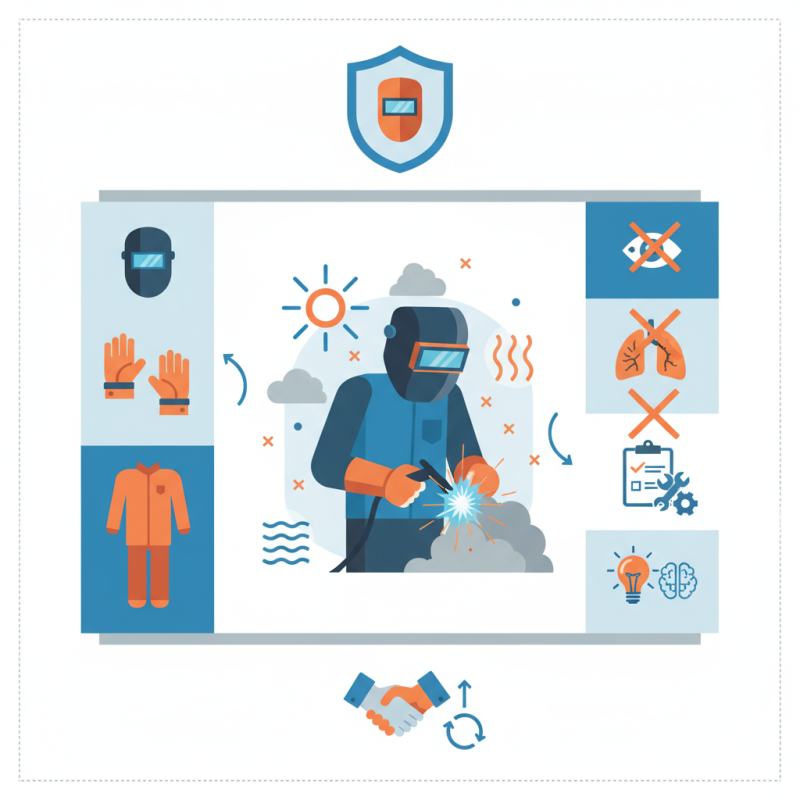
Welding protection refers to the safety measures and equipment used to shield welders from hazards. These hazards include intense heat, bright light, and harmful fumes. According to the Occupational Safety and Health Administration (OSHA), approximately 50% of welding injuries are caused by burns and eye injuries. Proper protection can significantly reduce these risks.
Personal protective equipment (PPE) is essential in welding. This includes helmets, gloves, and protective clothing. A helmet with a filtering lens can reduce glare and protect against UV radiation. The American Welding Society recommends a helmet with an appropriate shade to reduce eye strain. Gloves made from heat-resistant materials protect hands from sparks and molten metal. Yet, many workers overlook the importance of using the right gear consistently.
Inadequate protection may lead to long-term health problems. For instance, exposure to welding fumes can cause respiratory issues. Studies indicate that welders exposed to high fume levels have a 40% higher risk of developing lung diseases. Many welders underestimate these dangers. The need for continuous training in safety is clear. Effective welding protection is not just a legal requirement; it ensures the well-being of workers in this demanding field.
Types of Welding Protection Gear and Equipment
Welding protection is critical for safety in the workplace. Various types of welding protection gear and equipment are essential to minimize risks. According to the National Institute for Occupational Safety and Health (NIOSH), over 500,000 workers in the U.S. face welding hazards daily. Proper equipment can significantly reduce injuries from heat, sparks, and toxic fumes.
One common type of welding protection gear is the welding helmet. These helmets shield the eyes and face from intense light and heat. A study showed that around 30% of welders experience eye injuries. To combat this, using helmets with auto-darkening features has become popular. They adjust to brightness changes, helping reduce the risk of exposure.
Another important piece of equipment is protective clothing. Flame-resistant jackets and gloves protect against burns. Moreover, respiratory protection is crucial, especially when working with materials that emit harmful fumes. According to a 2021 report, about 25% of welders reported respiratory issues over their careers. Ensuring proper ventilation and using respirators can lower this risk. It's vital for welders to remember that complacency in safety measures can lead to serious consequences. Regular training and assessment of protection gear are essential for any welding operation.
What is Welding Protection and Why is it Important? - Types of Welding Protection Gear and Equipment
| Type of Protection | Description | Key Features | Importance |
| Welding Helmet | Protects the eyes and face from radiation and sparks during welding. | Auto-darkening lens, adjustable headgear, full-face protection. | Essential for preventing eye injuries and skin burns. |
| Welding Gloves | Protects hands from heat, sparks, and electrical hazards. | Heat-resistant materials, reinforced palms, flexible design. | Crucial for ensuring hand safety and maintaining a good grip. |
| Protective Clothing | Prevents burns and bodily injuries from sparks and heat. | Flame-resistant materials, long sleeves, coverage over entire body. | Provides overall protection from high-temperature conditions. |
| Respirators | Filters harmful fumes and gases generated during welding. | Particulate filters, comfortable fit, adjustable straps. | Critical for maintaining respiratory health in welding environments. |
| Safety Boots | Protects feet from heavy falling objects and molten metal. | Steel-toe caps, slip-resistant soles, heat resistance. | Necessary for foot safety in hazardous work environments. |
The Importance of Welding Protection for Health and Safety
Welding can be dangerous. The intense heat and fumes pose significant risks to workers’ health. According to the American Welding Society, about 500,000 welders work in the U.S. alone. Many face respiratory issues due to exposure to toxic gases. Proper welding protection is crucial.
Personal Protective Equipment (PPE) is essential in mitigating risks. A welding helmet can reduce exposure to UV rays and prevent eye injuries. Gloves protect hands from burns and cuts. The National Institute for Occupational Safety and Health (NIOSH) reports that nearly 25% of welders experience skin issues from improper protection. This highlights the need for adequate gear in every welding task.
In addition to PPE, ventilation is vital. Poorly ventilated areas elevate the risk of inhaling harmful pollutants. Studies indicate that up to 80% of welding-related illnesses could be prevented with proper ventilation. Despite these statistics, many workers still neglect safety measures. Ensuring comprehensive welding protection should be a priority for every workplace.
Common Risks and Hazards in Welding Processes
Welding can be a rewarding but hazardous job. Many risks and hazards exist during the welding process. One of the most common is exposure to harmful fumes. These fumes can lead to long-term respiratory issues. Personal protective equipment is essential to prevent such exposure.
Another significant risk is fire. Sparks and molten metal can ignite nearby flammable materials. Always keep the workspace clear. Prior inspection of the area is a smart move. Improper shielding can lead to serious eye injuries. Using a proper helmet with adequate filters is crucial for eye safety.
Tips: Always check your gear before starting. Make sure it’s free from any damage. Regular training on emergency response is vital. Know where the fire extinguishers are located. Simple precautions can save lives in this demanding environment.
Best Practices for Ensuring Effective Welding Protection
Welding protection is essential for ensuring safety in industrial environments. Effective protection includes using the right gear, such as helmets and gloves. According to the American National Standards Institute (ANSI), over 400,000 workers in the U.S. sustain injuries related to welding each year. Many of these injuries are preventable with appropriate gear.
Proper ventilation is another critical safety factor in welding. Inadequate airflow can lead to toxic fumes and harmful gases. The Occupational Safety and Health Administration (OSHA) suggests that at least six air changes per hour should occur in the welding space. Yet, many workplaces fail to meet this requirement. The oversight can expose workers to long-term health issues, including respiratory problems.
Moreover, training is often overlooked, yet it plays a vital role. Workers must understand the full scope of welding safety practices. A significant number of accidents happen because of inadequate training. Reflecting on these statistics reveals a need for continuous improvement in safety protocols. By actively addressing these gaps, companies can improve worker safety and overall efficiency.